
Turf Mission
We started TNT Turf because Houston families deserve better than losing weekends to mowing and watering. Our mission is simple, give you a lawn you can enjoy every day, all year long, without the work that usually comes with it.
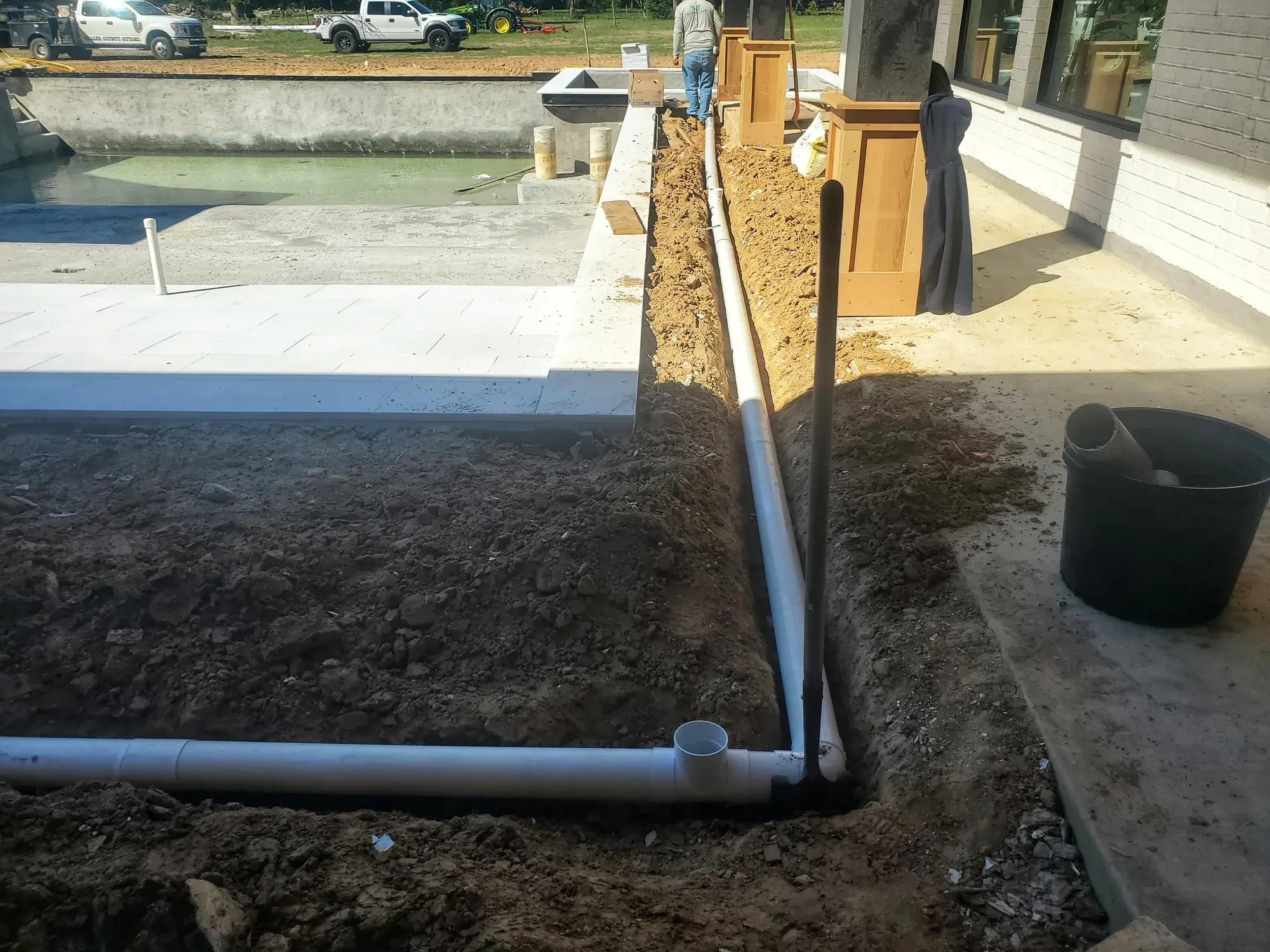
Water pooling on artificial grass is a symptom, and the fix depends on the cause. We flood-test the surface, read the fall across the yard, and find out whether the layer under it has silted up, a low spot has settled, or the base has to come up. We service turf we did not install.
Greater Houston sits on heavy expansive clay that sheds water instead of taking it, and a Gulf storm can drop several inches in one afternoon. Roughly 50 inches of rain falls here a year, and it arrives in hard bursts, not slow soaking. So the ground under your turf was never going to absorb the water for you. Everything depends on the layer that was built to move it, and on whether that layer still works. Turf holding water is almost never a turf problem. It is a base, a slope or an outfall problem showing up at the surface.
We start with an assessment, not a quote. We flood a test area and watch where the water goes and how it leaves, lift a seam or an edge to see what the drainage layer looks like now, check whether the backing is fully perforated or punched-hole, and find the fall across the lot. That tells us which of the four common causes you have: a silted layer, a settled low spot, restrictive backing, or a base that was never built to drain. The first three we can usually fix with the same turf going back down. The last one we cannot, and we will say so on the visit rather than sell you a repair that was never going to hold.
Something under the grass has changed, and it is almost never the turf itself. The most common cause is a drainage layer that has silted up. Houston gets roughly 50 inches of rain a year, and it arrives in hard bursts, not slow soaking, so storm after storm washes fines, dust and organic matter down into the gaps that used to carry water away. Once those gaps close, the layer stops moving water. The second most common cause is settlement. A spot that was level at handover drops a little, and now that is where the water sits. Neither one means you bought bad turf. It means the system under it has to be opened back up or re-graded.
Faster than a sod lawn on the same clay, and we will not put a number of minutes on it. How fast a surface clears depends on the backing, the infill, the base, the fall across the yard and how hard it just rained, so any figure we published would be a manufacturer's number we never measured ourselves. Here is what to look for instead. Water should be moving off the surface while it is still raining, and the turf should be walkable soon after the rain stops rather than squelching underfoot. If water is still standing hours later, or the same corner stays wet into the next day, that is not slow drying. That is a drainage fault and it is worth having looked at.
Yes, and a good share of this work is on turf we did not install. We start with an assessment rather than a quote. We flood a test area and watch where the water goes, lift a seam or an edge to see what the drainage layer looks like now, check whether the backing is fully perforated or punched-hole, and find the fall across the lot. From there we can usually open the layer back up, re-grade the low spot, or add a French drain or a catch basin and lay the same turf back down. What we cannot do is save a base that was never built to drain. If that is what we find, we will tell you on the visit that it has to be lifted and rebuilt, instead of selling you a repair that leaves you with the same puddle next spring.
No. Turf drainage moves water off a surface and carries it somewhere it can go. It is not a flood control system, and water that rises over a yard will still rise over turf. Greater Houston sits on heavy expansive clay that sheds water instead of taking it, and a Gulf storm can drop several inches in one afternoon, so there is a point where the problem is the whole neighborhood and not your yard. The Harris County Flood Control District publishes a flood tool you can check by address, and it is worth looking yours up before you spend money on drainage work. What drainage work does honestly is clear the puddles you have now and get the surface usable again quickly once the rain stops.
These are the surfaces where water has nowhere to go. If one of them sounds like your yard, the fix starts with finding out which cause you have, not with buying more pipe.
Serving homeowners, businesses, and property managers across Greater Houston with artificial turf built for our climate. From backyard putting greens and pet runs to courtyards, playgrounds, and commercial grounds, every install is measured on site, graded for drainage, finished by our own crew, and backed by a warranty we put in writing.
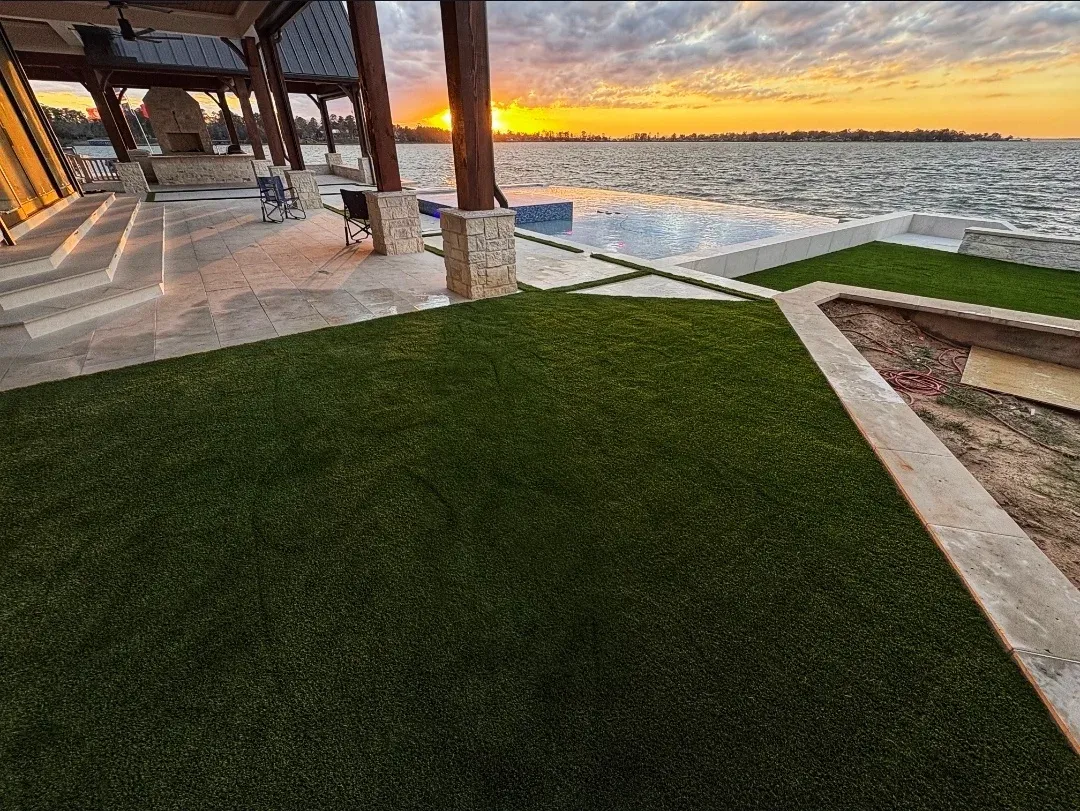
A level artificial turf terrace on the Lake Livingston waterfront, bordered in stone and built to sit flat above a sloping bank.
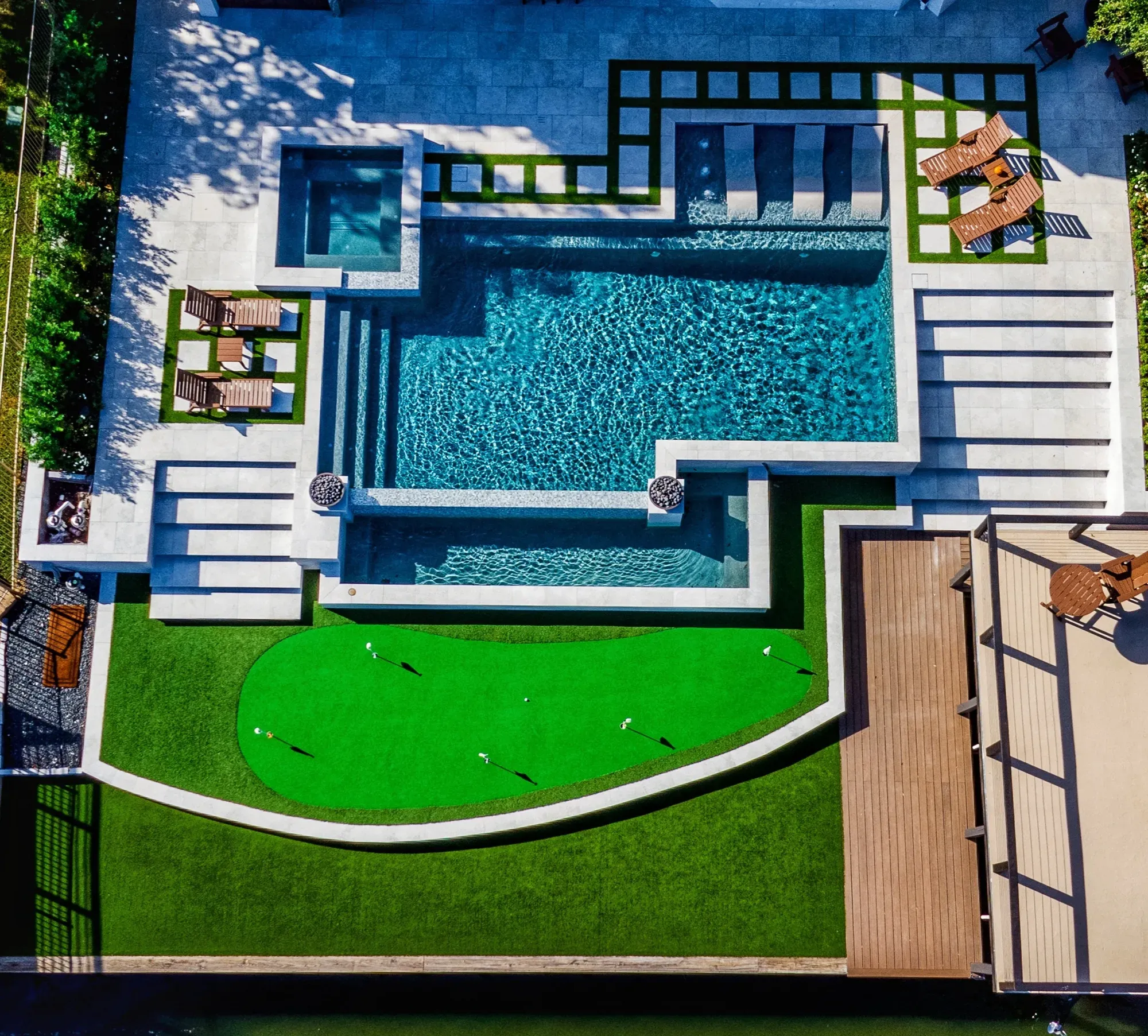
A three-level Conroe backyard seen from above: stepped pool terraces, paver-and-turf strips and a curved practice green.
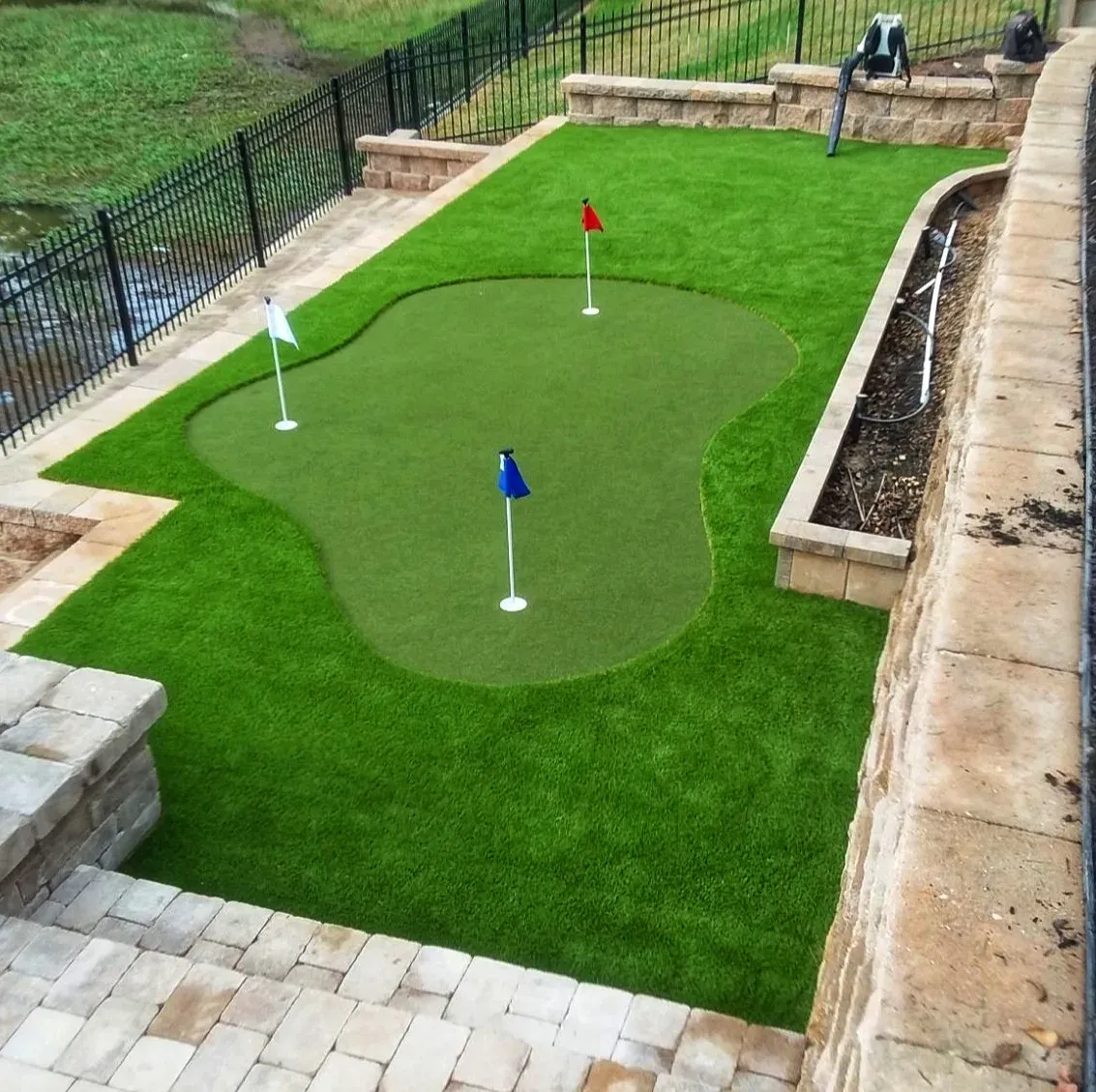
A three-hole practice green built into a walled, raised terrace at Lake Houston, with fringe turf and cut-in cups.
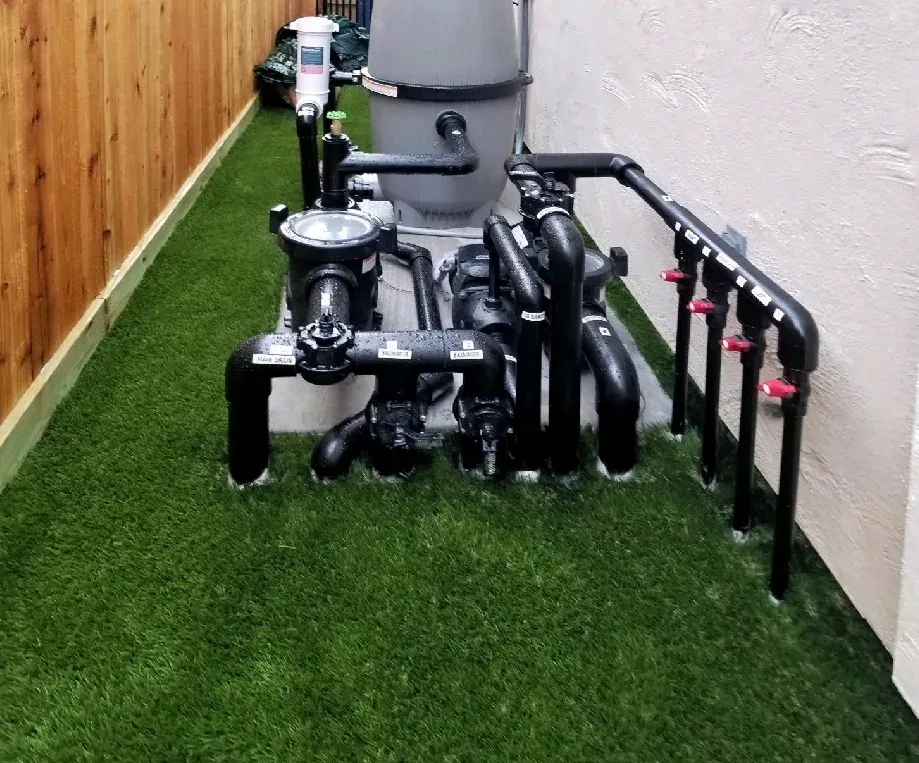
Artificial turf laid around a pool equipment manifold in Webster, giving a clean, weed-free surface in a service area.
Our proven installation process ensures every project is completed efficiently with exceptional attention to detail.
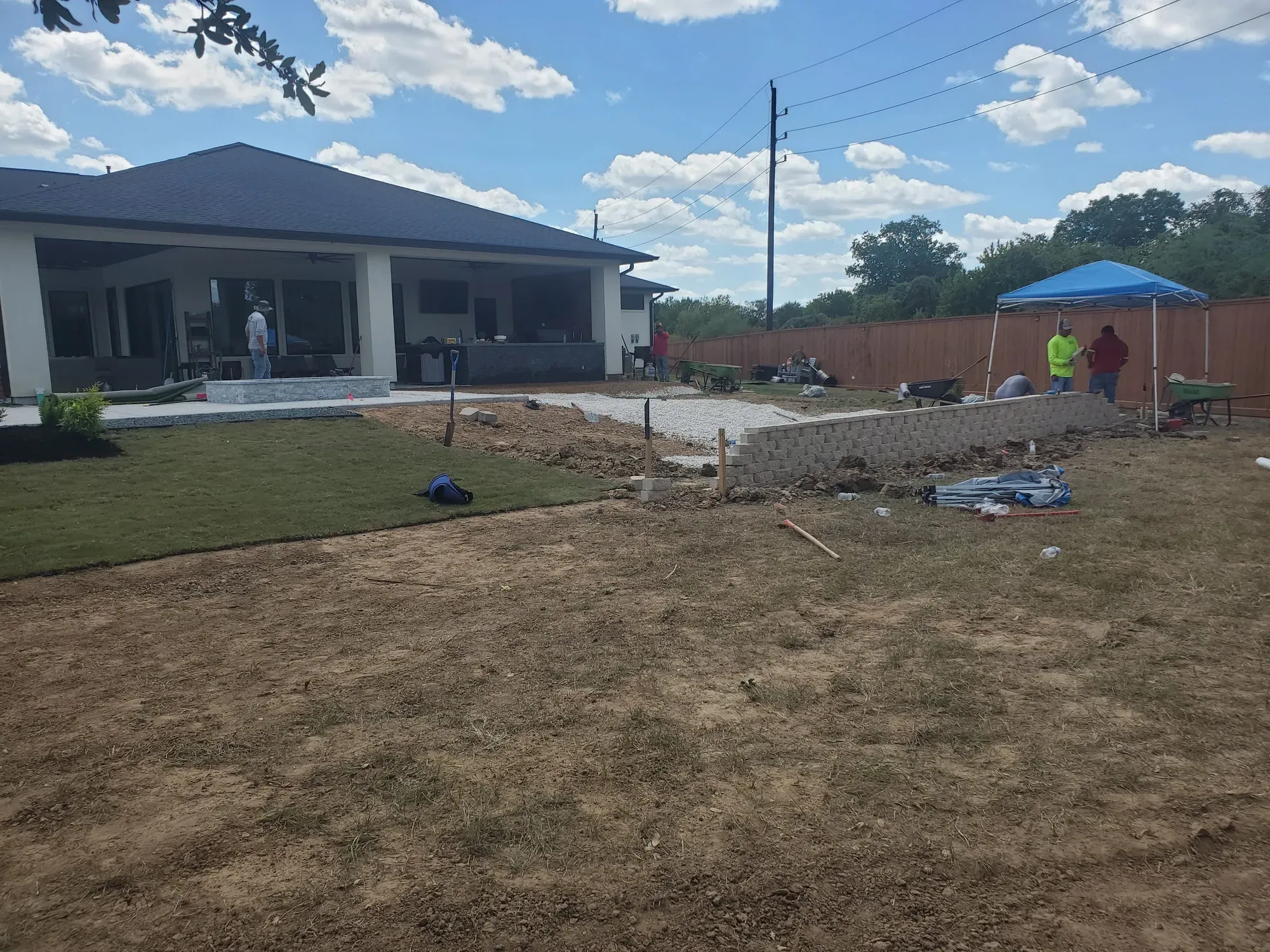
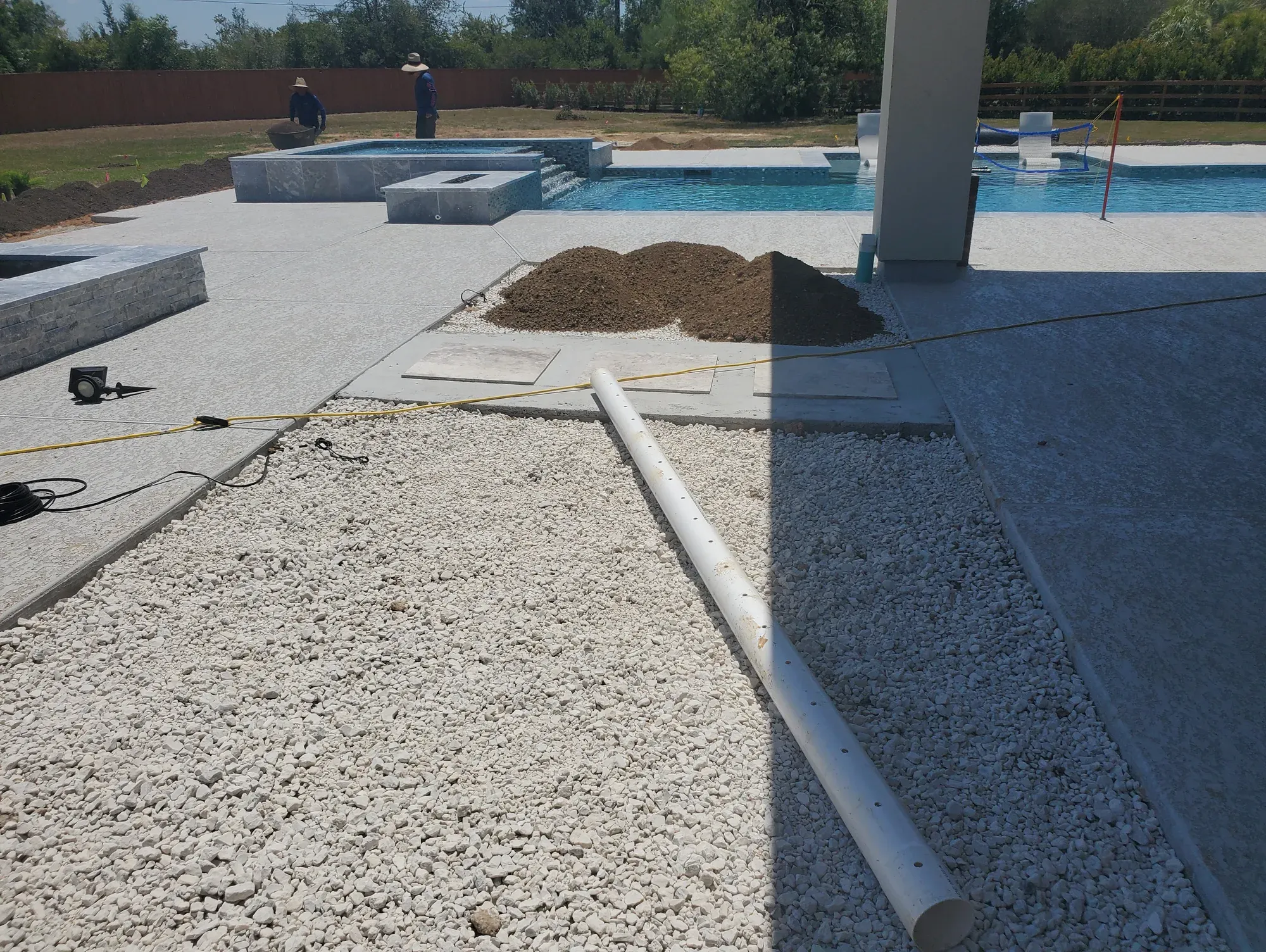
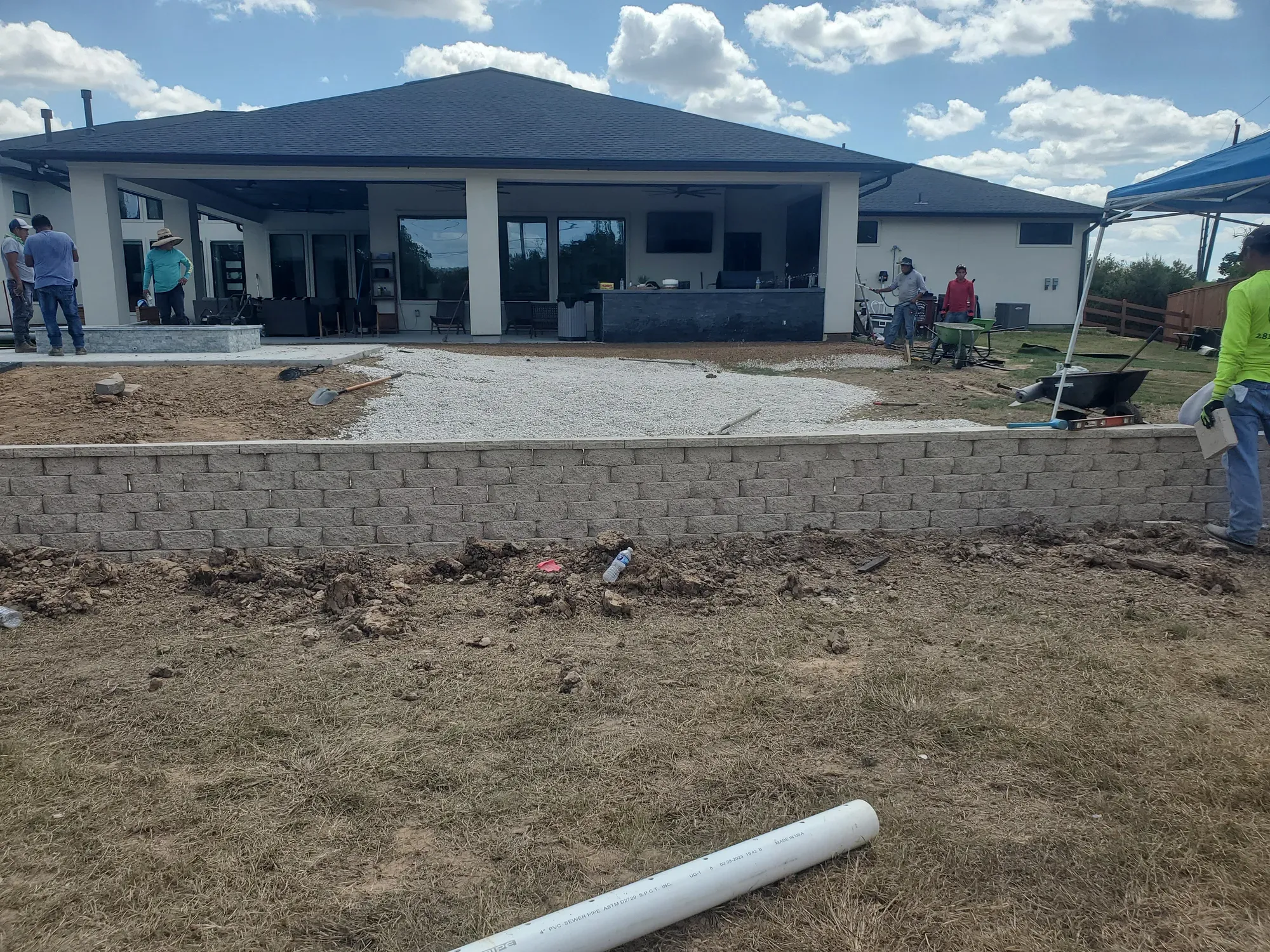
We strip the existing lawn and excavate down to a clean, stable sub-grade. Old roots, thatch, and loose topsoil all come out, because anything organic left behind will settle later and telegraph through the finished turf.
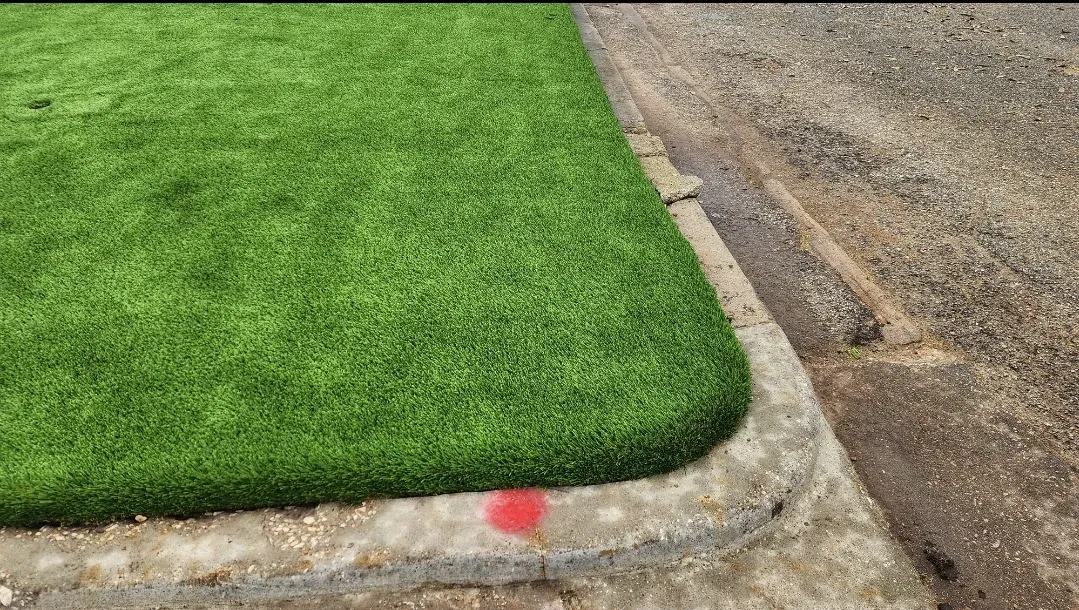
Flexible poly board is staked around the entire perimeter to lock the base in place. It holds your shape through curves and radii, keeps the aggregate from migrating into beds, and gives the turf a clean edge to be fastened to.
The first base layer goes down and is graded for drainage. This is the load-bearing course that carries foot traffic and keeps the surface from rutting, and it is where the finished contours of the yard are established.
A second, finer layer is screeded over the first to true the surface. Two layers instead of one is what separates a lawn that stays flat for years from one that dips and waves after the first wet season.
The base is plate-compacted to spec, then the turf is rolled out, allowed to relax, and cut to the yard. Seams are aligned to a single blade direction and joined so they disappear, and the turf is nailed off along every edge.
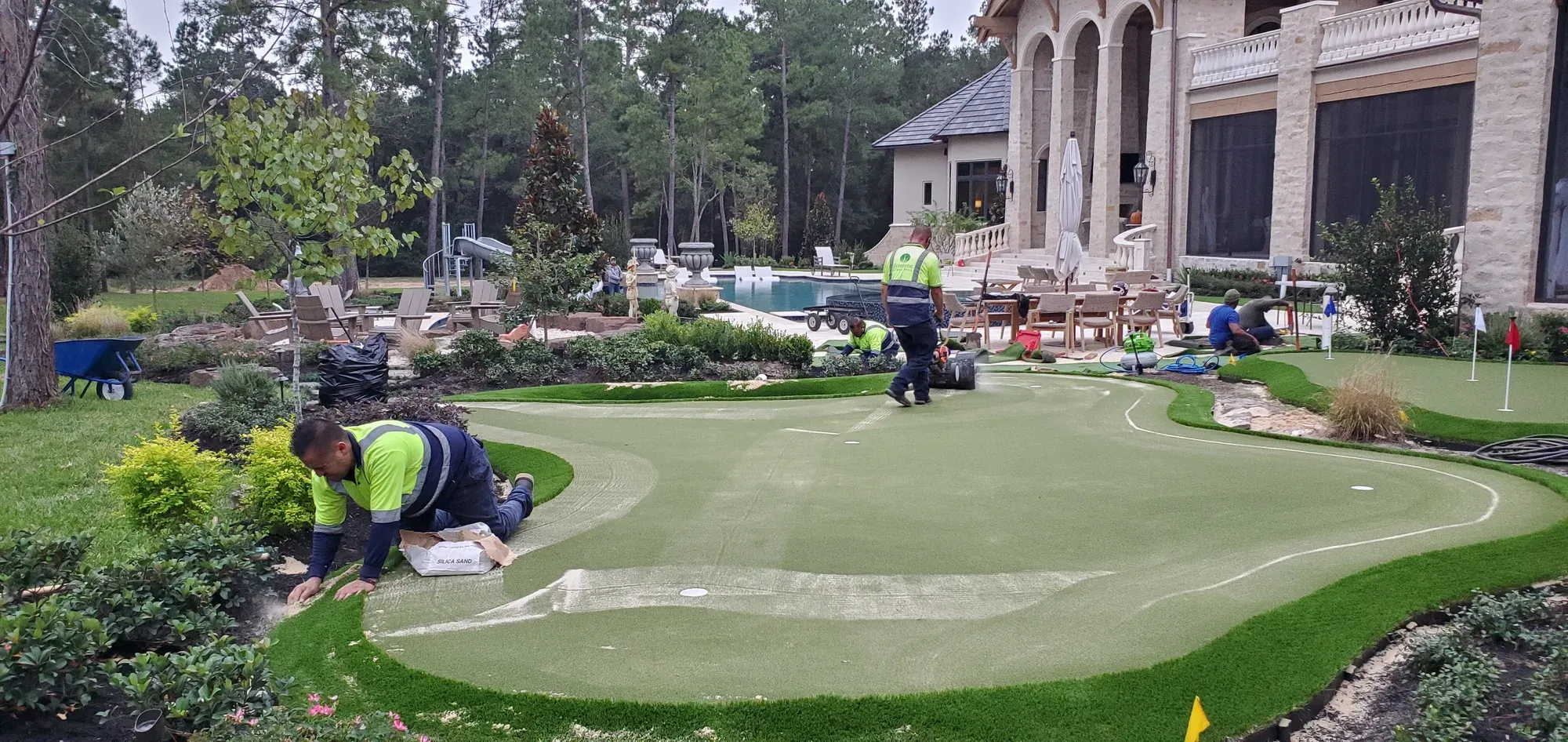
Silica infill is spread and worked in with a power broom, lifting every blade upright as it goes. Infill is what gives the lawn its ballast, its underfoot feel, and its ability to stand back up after traffic.
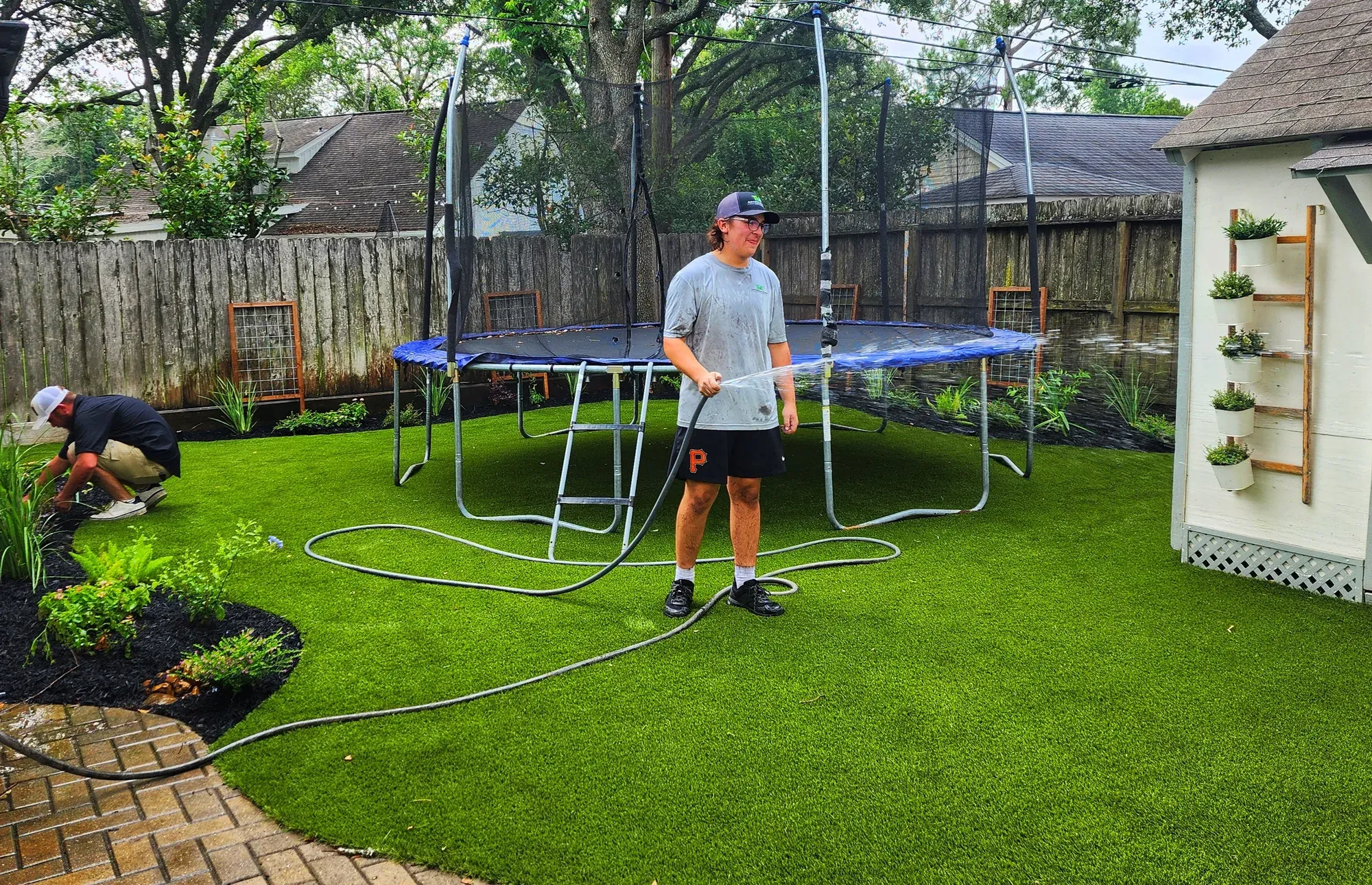
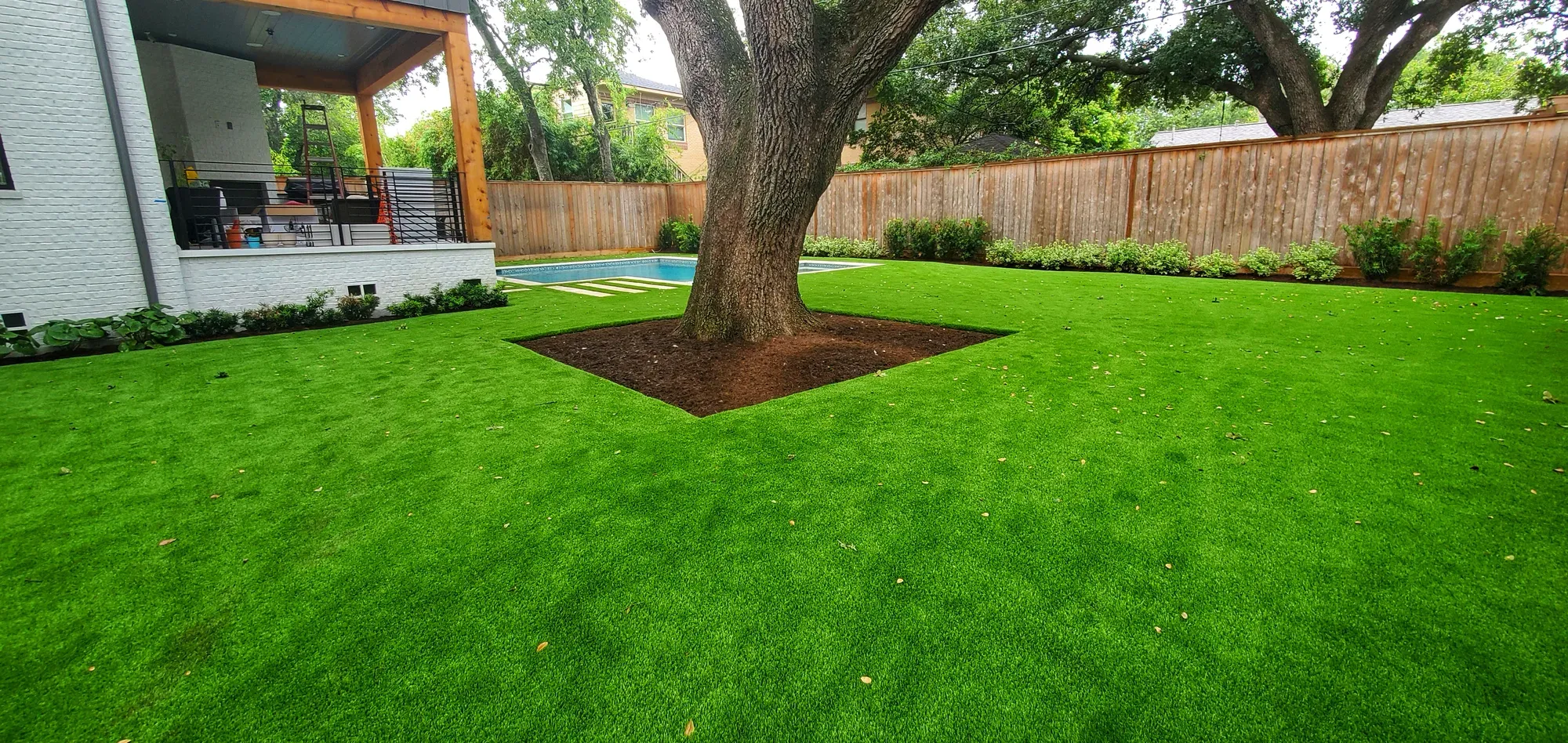
We do a final groom, clear the site, and walk the finished yard with you edge to edge. What you are left with is a lawn that looks cut every day of the year, with no mowing, watering, or seasonal brown-out.
TNT Turf is on a mission to transform Houston homes and businesses with premium synthetic turf, delivering lasting quality, honest service, and yards our customers are proud to look at everyday.
We started TNT Turf because Houston families deserve better than losing weekends to mowing and watering. Our mission is simple, give you a lawn you can enjoy every day, all year long, without the work that usually comes with it.
Every yard we install gets measured twice, leveled right, and finished like it’s our own backyard. If a job isn’t done the right way, it’s not a job we’re willing to put our name on, plain and simple.
By 2030, we want to help turn 10,000 Houston backyards into low-water, low-maintenance green spaces. It’s our way of making Houston greener and more sustainable, giving families more time to enjoy their yards instead of maintaining them.
From your first quote to the final walkthrough, we keep pricing fair, communication honest, and show up when we say we will. It’s our way of making sure every customer feels taken care of, not just sold to.
Explore a selection of our preferred artificial turf products, chosen for their appearance, durability, and performance across residential lawns, pet areas, playgrounds, and putting greens.
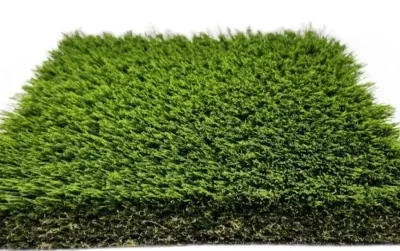
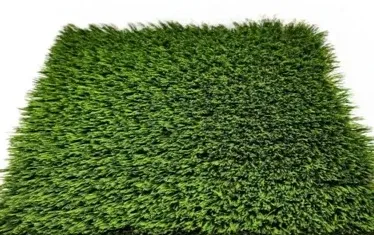
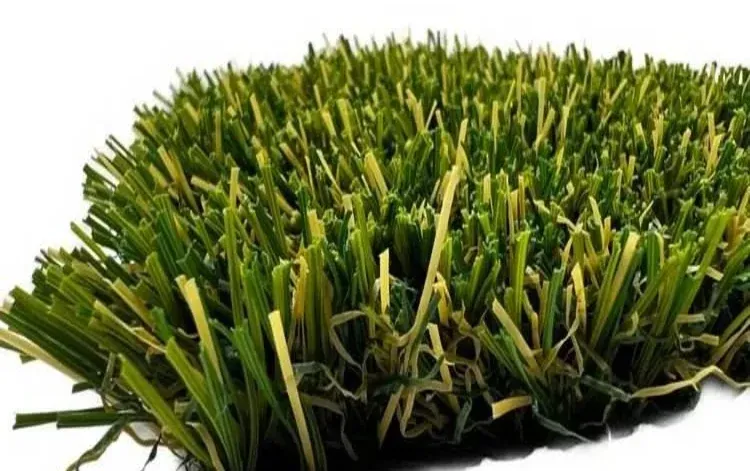
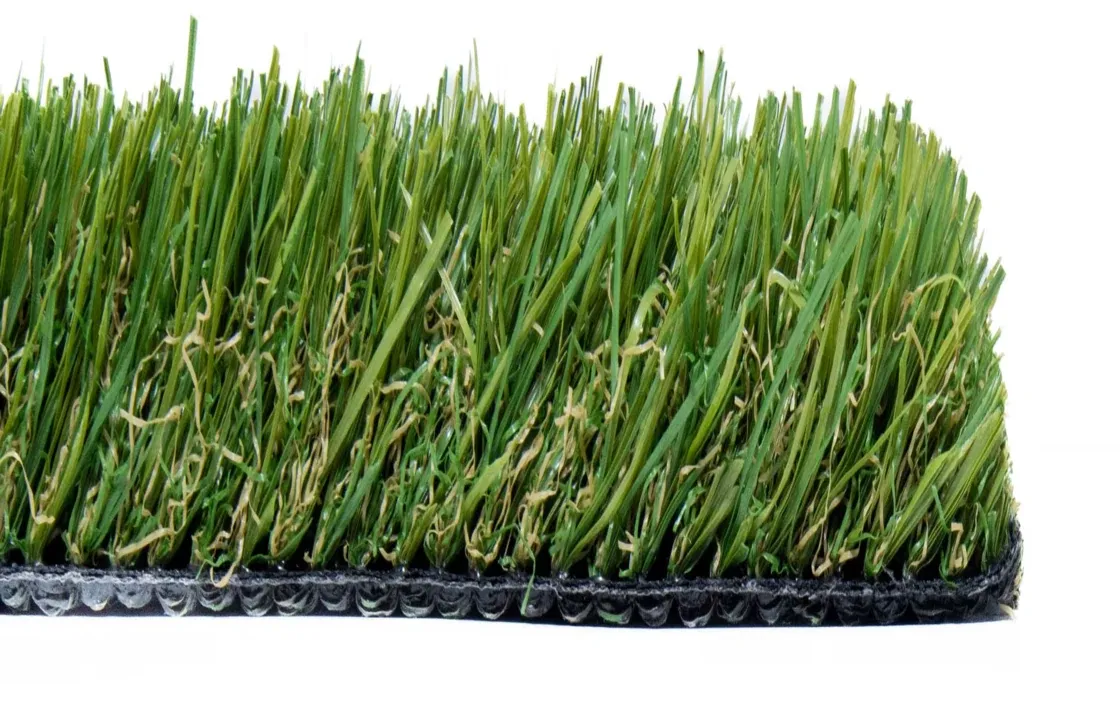
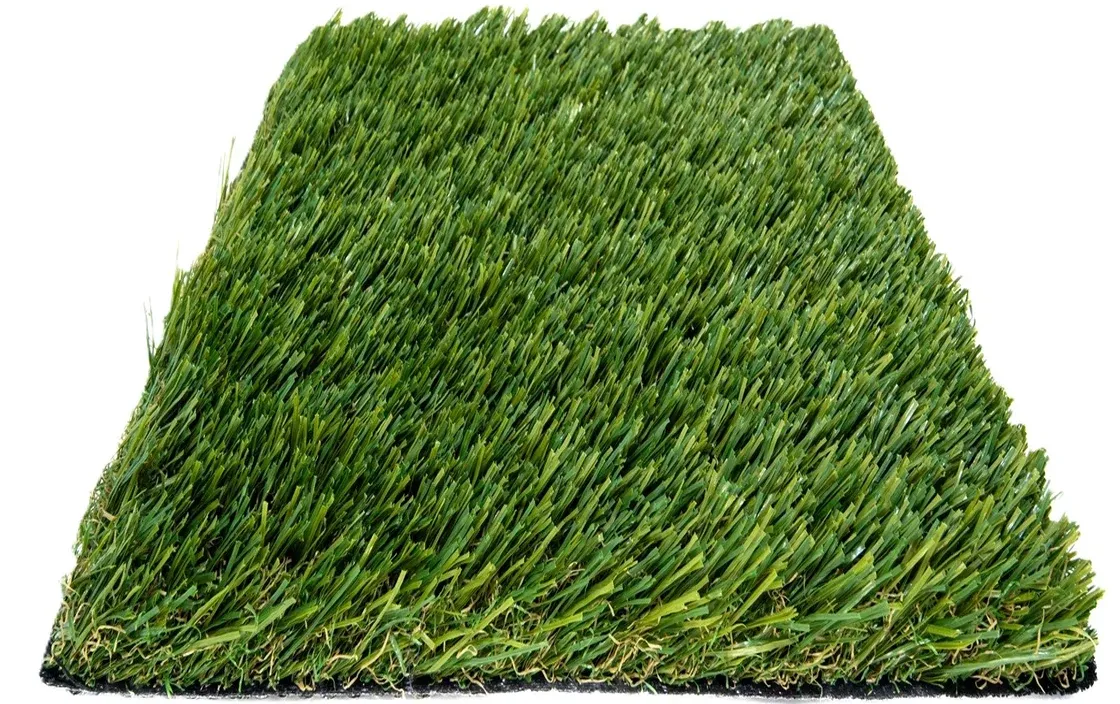
Water stands on turf for four reasons, and three of them we can fix without pulling the grass up for good. The drainage layer under it silts up with fines and dust, so water has nowhere left to go. A low spot settles after the install and never empties. The backing is punched-hole instead of fully perforated, so water can only leave through a few small openings. Or the base was never built to drain at all, and that one has to be rebuilt rather than topped. We flood a test area, watch where the water goes and how it leaves, and tell you which of the four you have before anyone quotes a repair.
The order matters. A silted layer and a settled low spot both look identical from a lawn chair, and they are not the same repair. That is why nobody should price this off a photograph. It is also why we lift an edge and look: the difference between fully perforated flow-through backing and punched-hole backing decides whether new drainage under the turf will do anything at all.
Book a Free Drainage AssessmentThe four causes we look for
It depends on where the water comes from and where it can go once it leaves. A drainage layer under the turf handles the rain that falls on the surface itself. A catch basin takes a low point that collects water off a wider area and ties it into a line. A French drain moves water sideways across a lot with no fall, which is the common answer on flat Houston clay. Most yards need one or two of the three, not all of them, and none of them works without somewhere downhill to send the water.
It depends on which cause you have, so we price it after the assessment and not before. Opening a silted drainage layer back up is the cheapest tier. Re-grading a low spot costs more, adding a French drain or a catch basin and tying it to an outfall more again, and lifting the turf to rebuild a base that was never built to drain sits at the top. We will not quote any of it over the phone. And here is the limit, said plainly: turf drainage is not flood control. It clears water off the surface faster and it does nothing for a lot that sits inside a flood pool, because water that rises over a yard will still rise over turf.
Price each tier against the alternative, which is living with it or tearing the surface out. That is the whole reason the assessment comes first: a yard that needs a layer opened up should never be sold a rebuild, and a yard whose base is done should never be sold a re-grade. If it does have to come up, drainage work is part of our wider back yard turf installation, so we can price the rebuild in one go. One thing we will not do is tell you how your city or county will classify the finished surface for impervious cover. That is set by the local drainage criteria manual, and we will work it through with your engineer instead of guessing at it. The on-site assessment is free.
Get a Free On-Site AssessmentFree
on-site drainage assessment
The four repair tiers
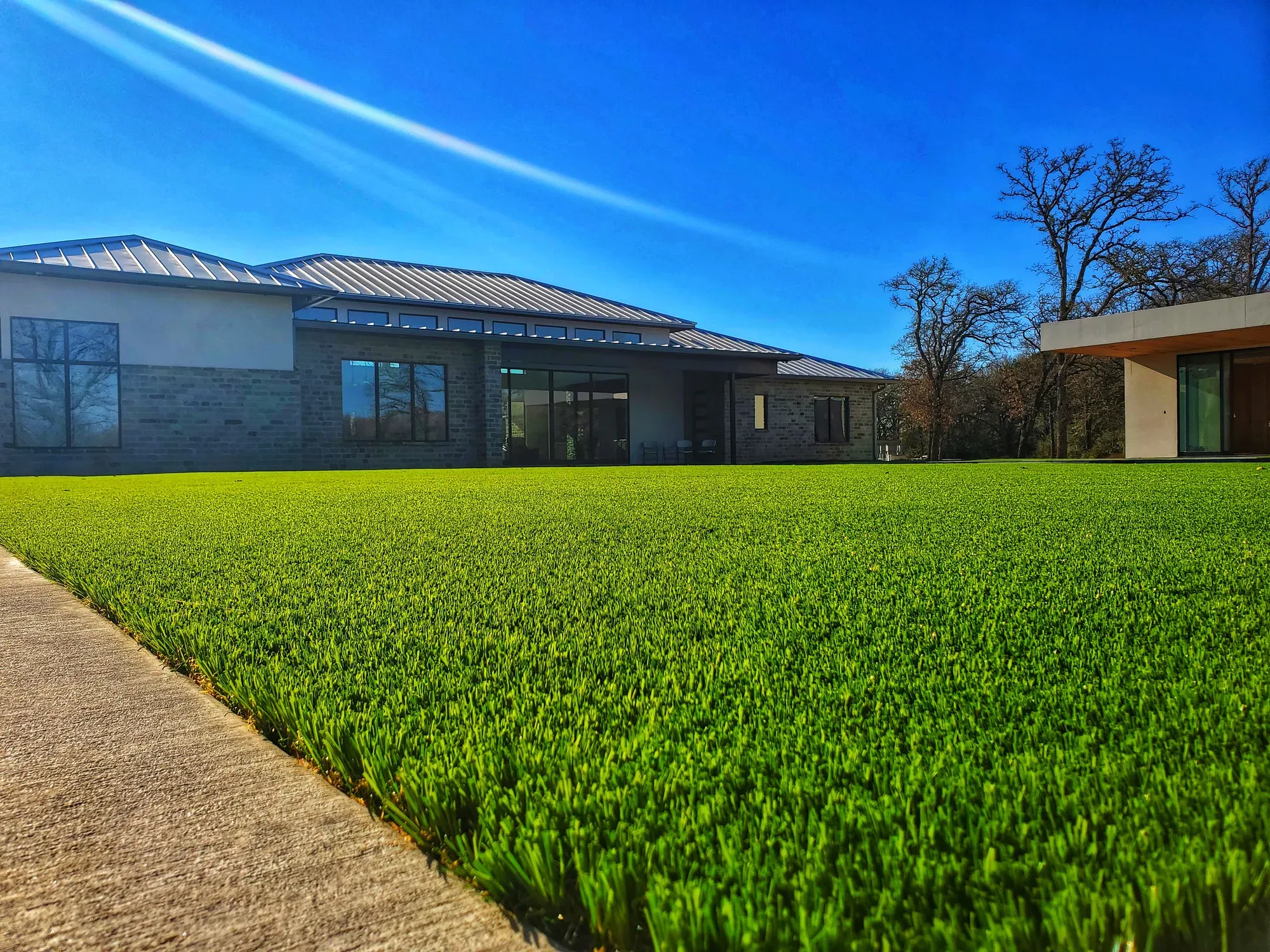
Topping up infill that has thinned out or migrated, so the blades stand back up and the surface drains the way it did.
For a pet surface that smells: a diagnosis first, then the enzyme routine, the infill or the drainage work it actually needs.
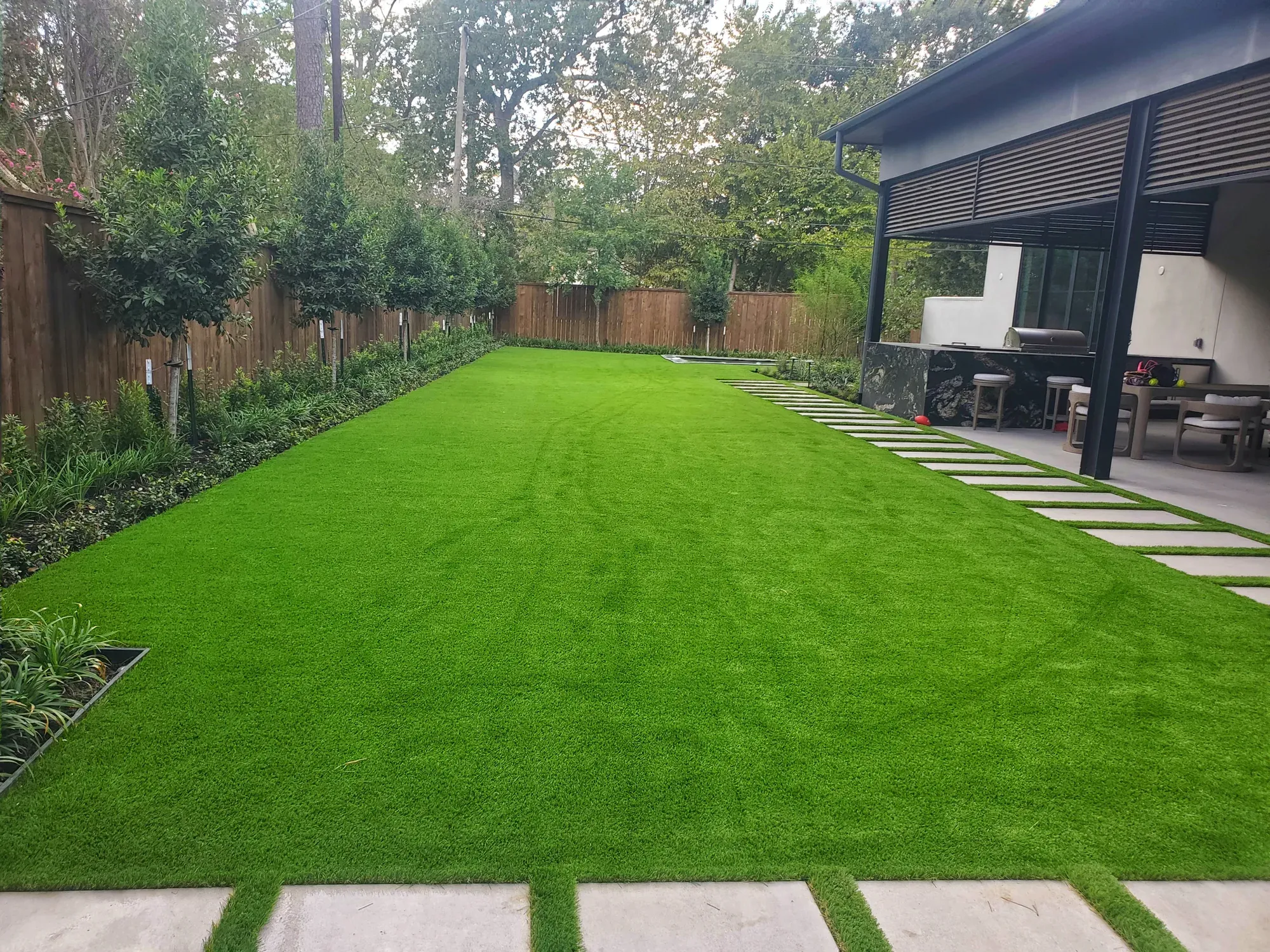
The full install, built from the base up so water leaves the surface instead of sitting on the clay.
Most residential projects are complete in 2–4 days. Larger commercial installs typically take 1–2 weeks.
Every install carries the manufacturer's product warranty against fading and wear, plus our own workmanship coverage on seams, edging, and base. Full terms come with your proposal.
Yes. We install lead-free, non-toxic turf over a permeable base that drains quickly, and we can add an antimicrobial infill for pet areas to keep odours down.
A rinse now and then and an occasional cross-brush of the high-traffic paths. No mowing, no watering, no fertiliser, and no seasonal brown-out.
Turf runs warmer than a natural lawn in direct sun. We specify cooler yarn and lighter infill where a yard gets full afternoon exposure, and a quick rinse brings the surface temperature straight back down.
Pricing depends on square footage, the turf you choose, and how much prep the site needs. We measure on site and give you a fixed written quote before any work starts.