
Turf Mission
We started TNT Turf because Houston families deserve better than losing weekends to mowing and watering. Our mission is simple, give you a lawn you can enjoy every day, all year long, without the work that usually comes with it.
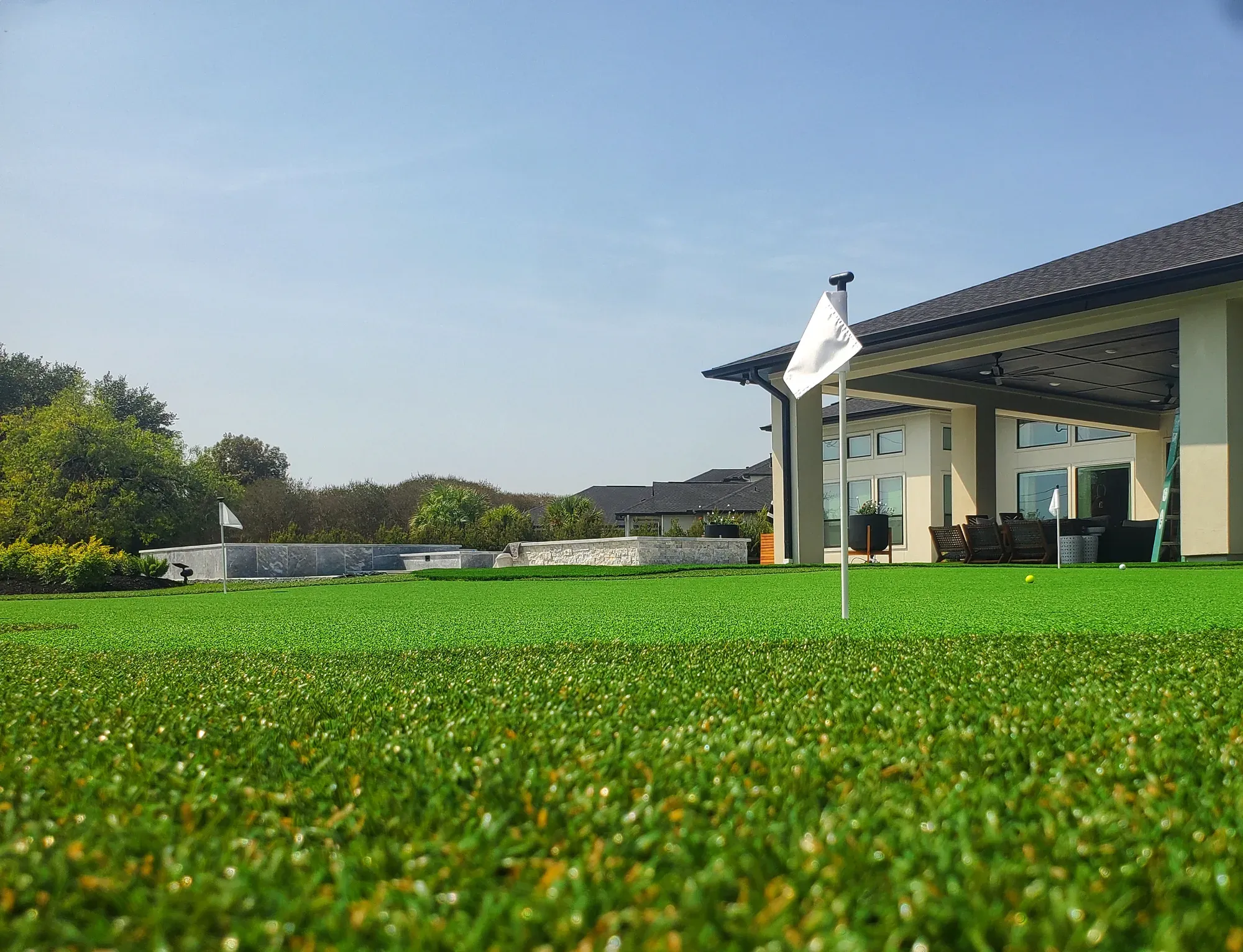
A simulator bay is a floor before it is anything else. We build the hitting surface, the tee line and the turf you stand and walk on, seamed flush and laid to the swing envelope of your room, then we work around the screen, the enclosure and the launch monitor your hardware vendor brings.
A golf simulator bay is a floor problem before it is a technology problem. The launch monitor, the projector, the screen and the enclosure come from your hardware vendor. What you stand on, hit off and walk across is ours. We build the surface as a system: the hitting zone that takes the club, the landing and walk-on turf around it, and a short putting or chipping strip when the room calls for one. Every zone is seamed flush, so there is no trip edge for your customers and no stance height change between where you stand and where the ball sits.
The build starts at the slab. We check the concrete for flatness, cracks and moisture, because a bay floor over a damp or uneven slab telegraphs every dip and every seam. A shock pad or underlayment goes down where the hitting zone needs it, then the turf is cut, seamed and anchored around dividers, netting posts and the screen frame. Bay turf usually runs dark for a practical reason: it cuts reflected light back toward the projector and keeps a camera-based launch monitor reading the ball cleanly. Houston pushes golf indoors for months at a time between the summer heat, the rain and hurricane season, so a bay floor here works year round and gets specified for that.
A pad, and before the pad, a slab that has been checked. The order is slab first, then moisture control, then a shock pad or underlayment, then the hitting turf on top. We look at the concrete for flatness, cracks and moisture, because a slab that sweats works its way into every layer above it and a dip in the floor shows up as a soft spot under your stance. The pad is the part that takes the shock out of a fat shot and lets the clubhead release through instead of bouncing off bare concrete. Around the hitting zone the walk-on turf sits on a thinner build, and we set the heights so the whole floor finishes flush.
You can, but hitting turf is the wrong surface for a true roll. Tee-line and hitting turf is built dense and short so it can take a club into the ground over and over, and that same construction kills the roll of a putt. The fix is to zone the floor. We lay a putting or chipping strip in real putting turf beside the hitting area and seam it flush, so you get a genuine roll without stepping out of the bay. If putting is the main point of the room rather than a side feature, that is a putting green build and it gets specified as one.
To keep light out of the hardware's way. A bright turf color bounces projector light back toward the screen and washes out the picture, and it can throw glare at a camera-based launch monitor that is trying to read the ball and the clubhead cleanly. Black or dark turf absorbs that light instead of reflecting it. It also hides scuffing and ball marks in the hitting zone better than a light grass color does. Plenty of bays still run green turf on the walk-on and putting zones and keep the dark turf where the ball and the camera are.
A hitting mat is one station. A tee line is a continuous strip. A mat is a defined pad sized to one player, and it can drop into a bay or set into a recess so it finishes level with the floor around it. A tee line is a long run of hitting turf across several stalls, which is what a driving range or a multi-bay practice room uses so there is no gap between stations. Both are built for repeated club-into-ground impact. The choice usually comes down to how many players hit at once, and whether you would rather replace one worn station or re-top the whole strip.
These are the spaces that put a hitting bay indoors and then run it hard. If one of them matches your property, the floor is the part we build, and we coordinate it with whoever supplies the rest.
Serving homeowners, businesses, and property managers across Greater Houston with artificial turf built for our climate. From backyard putting greens and pet runs to courtyards, playgrounds, and commercial grounds, every install is measured on site, graded for drainage, finished by our own crew, and backed by a warranty we put in writing.
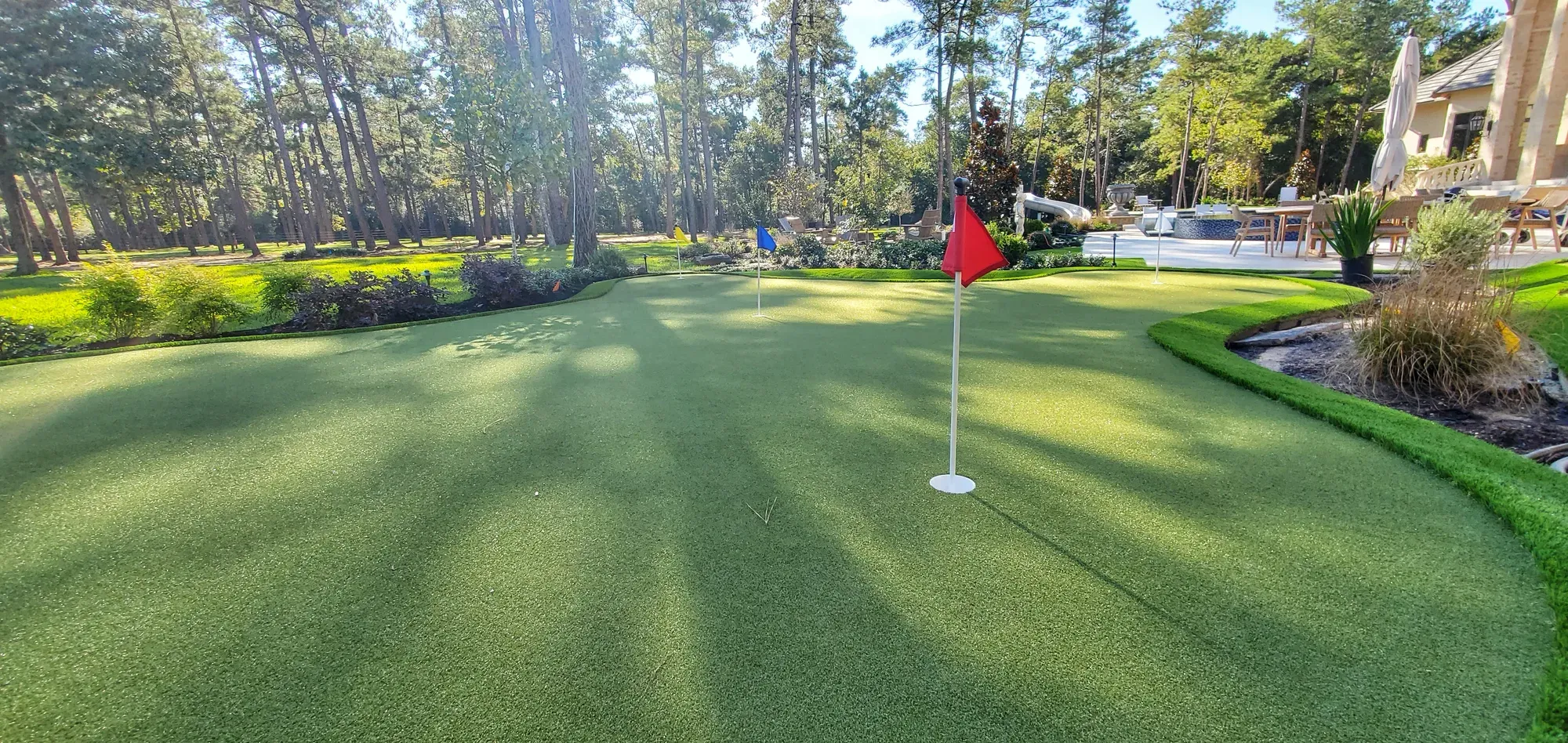
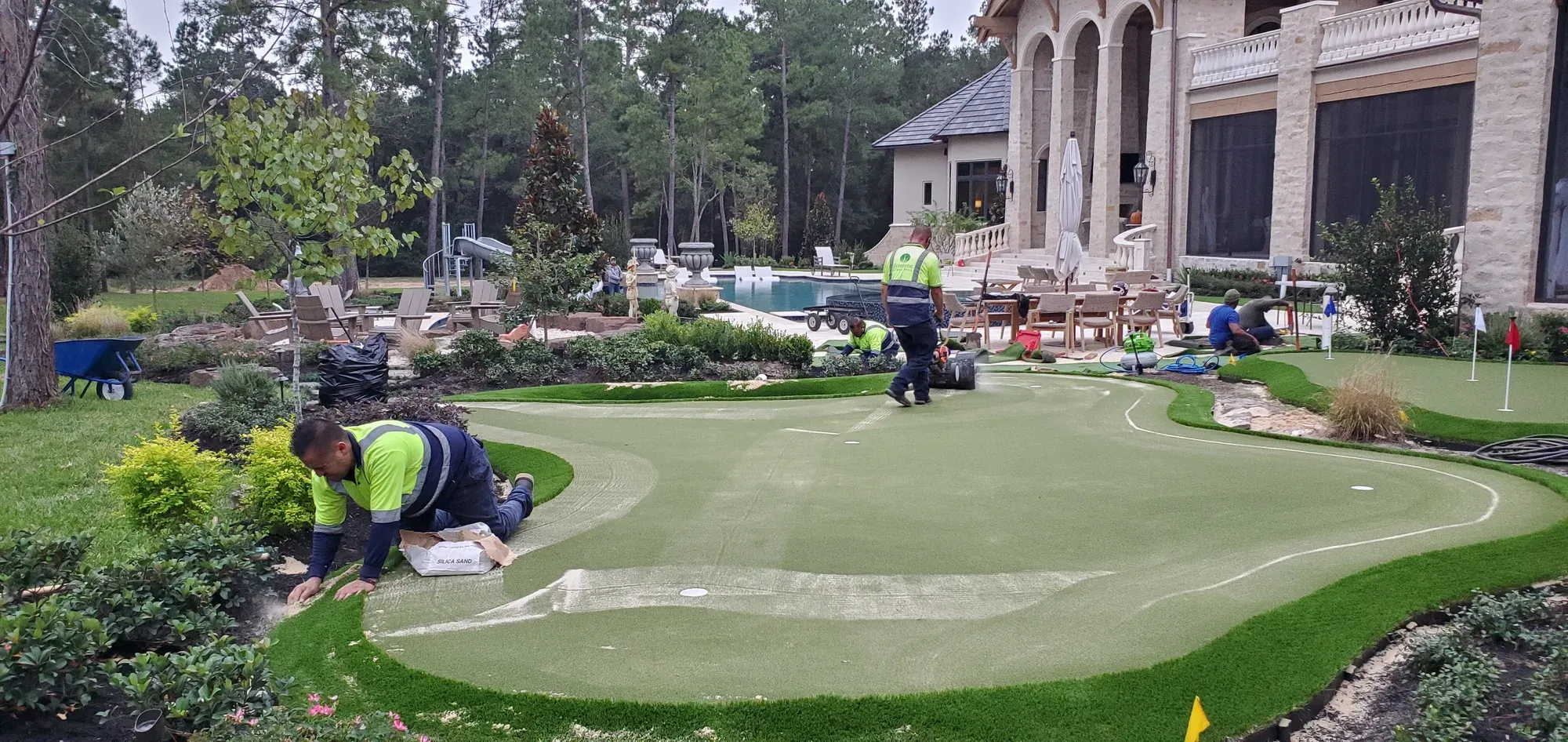
A contoured multi-hole practice green in Hockley with several cut-in cups, plus shaded courtyard turf around mature trees.
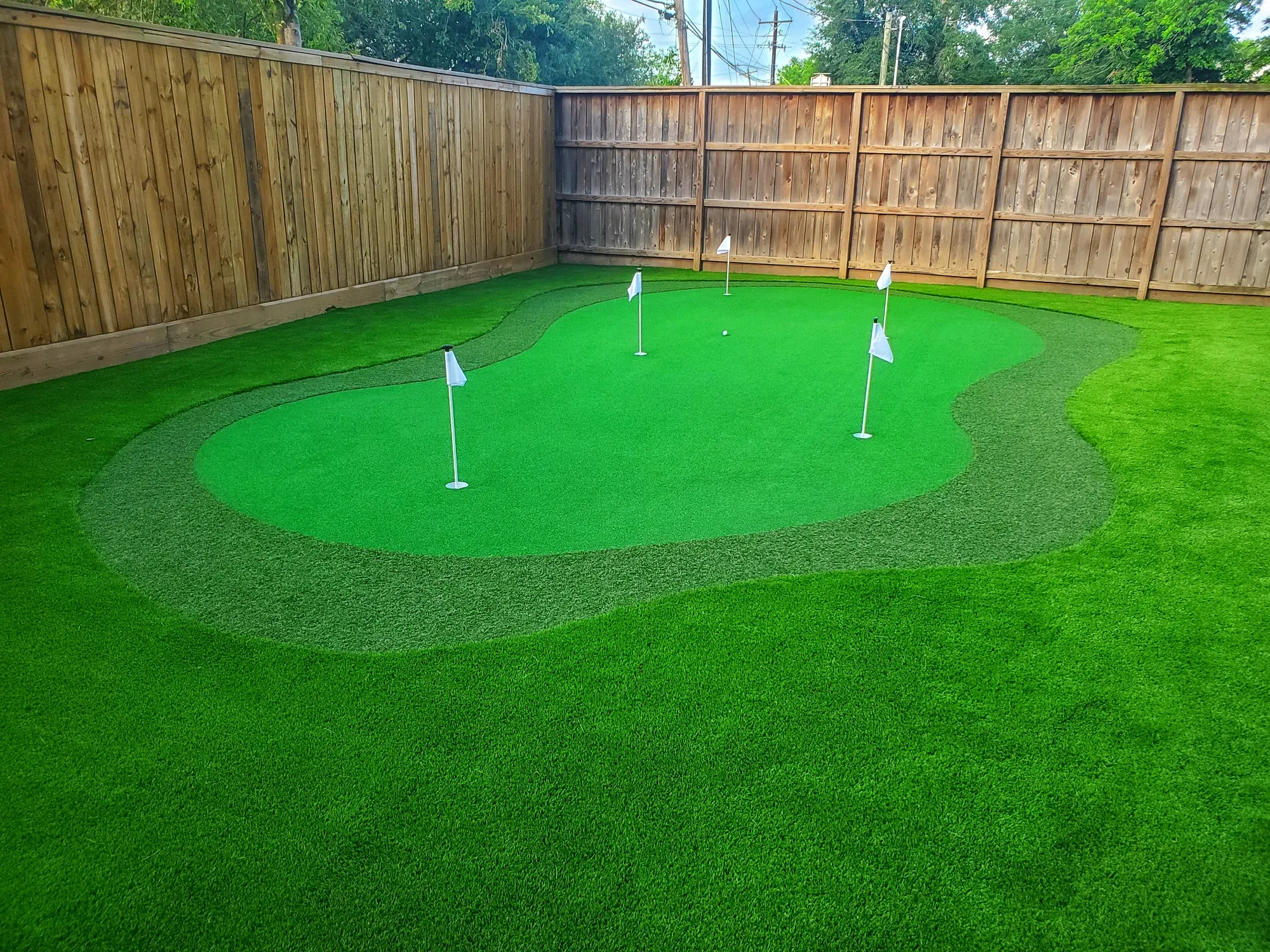
A four-hole practice green set into an artificial turf back lawn in Timbergrove, plus a side yard laid around a mature tree.
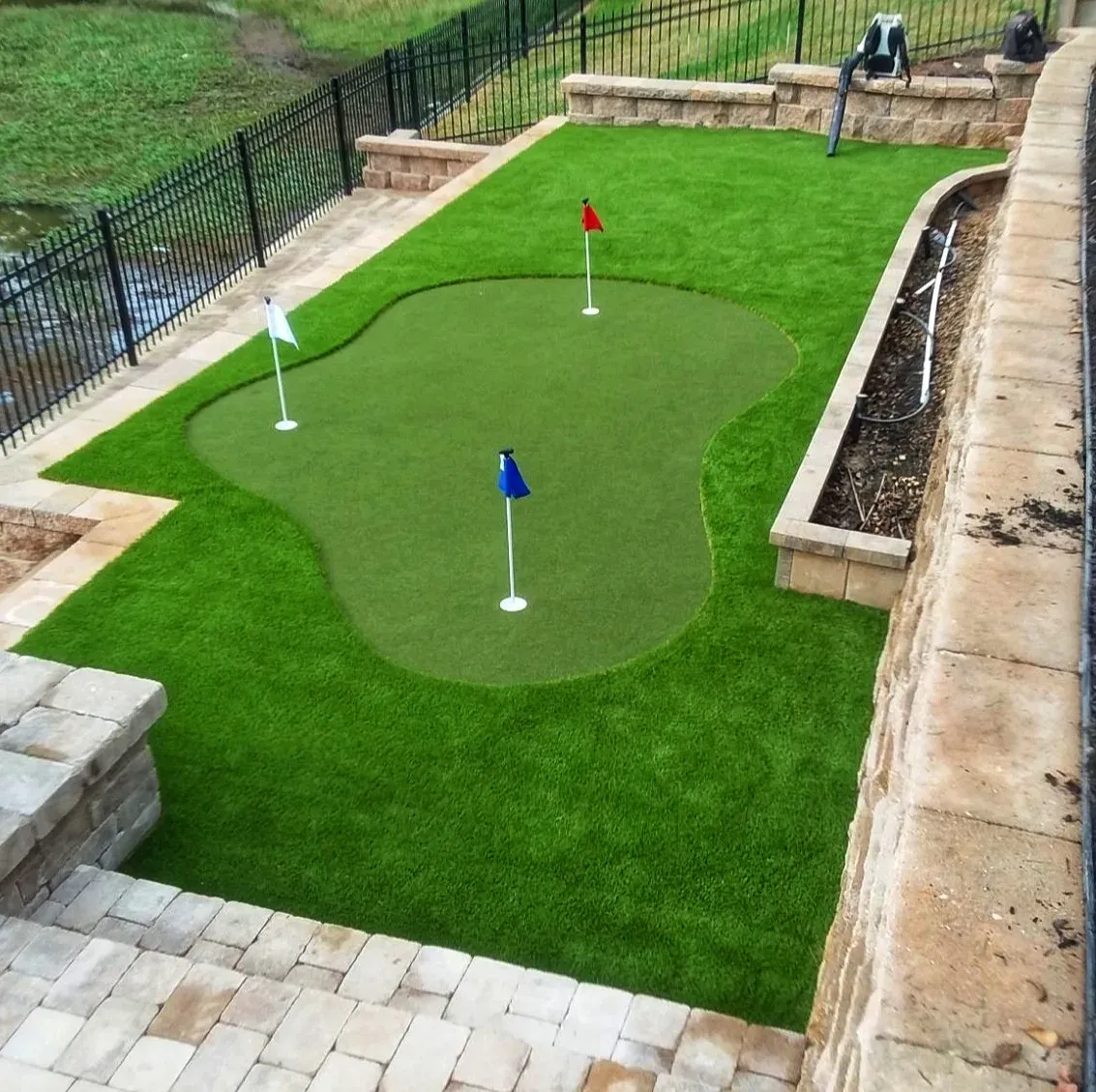
A three-hole practice green built into a walled, raised terrace at Lake Houston, with fringe turf and cut-in cups.
Backyard practice greens in Fulshear, including a raised green built out on a block retaining wall, plus pool-surround turf.
Our proven installation process ensures every project is completed efficiently with exceptional attention to detail.
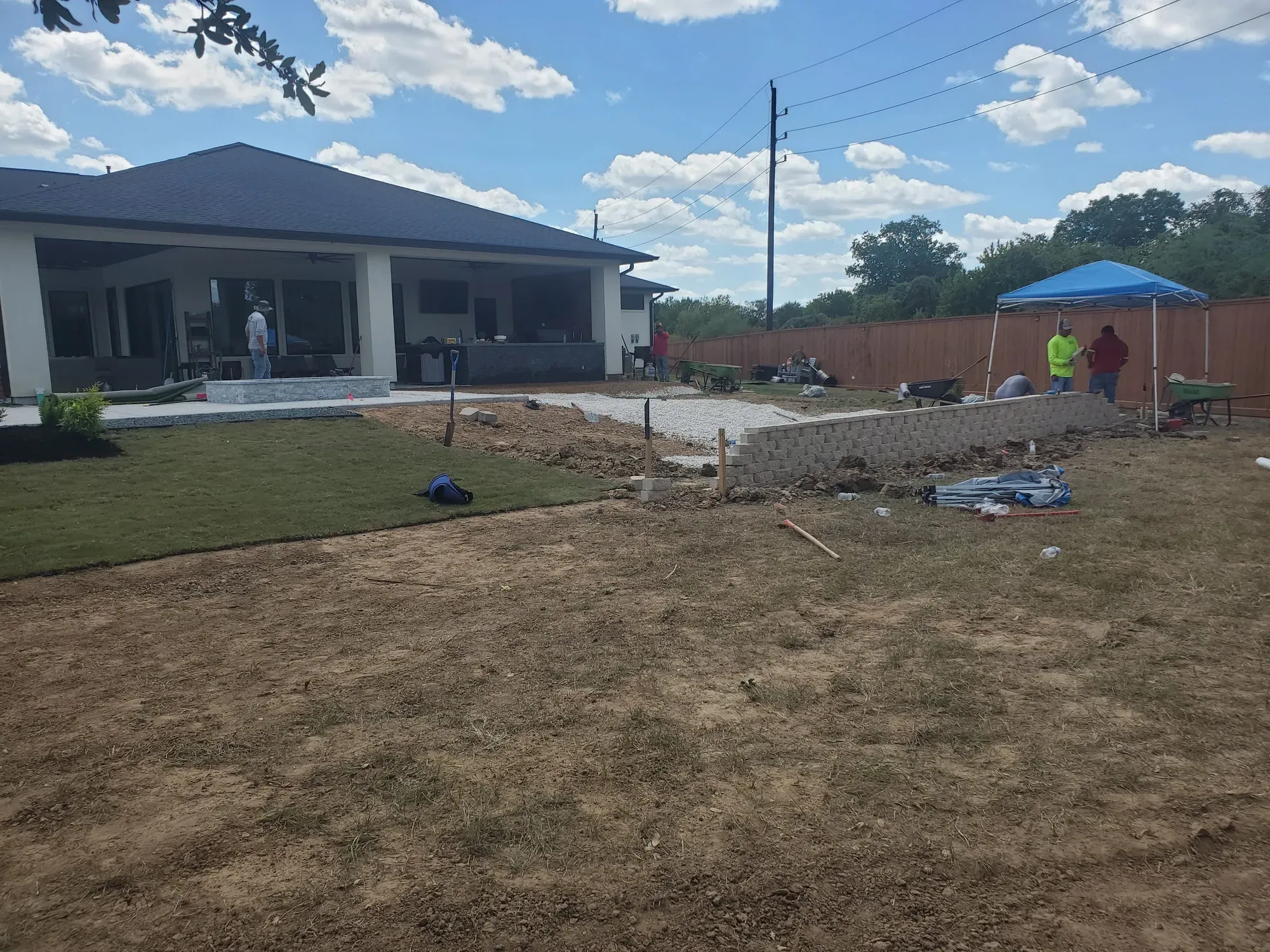
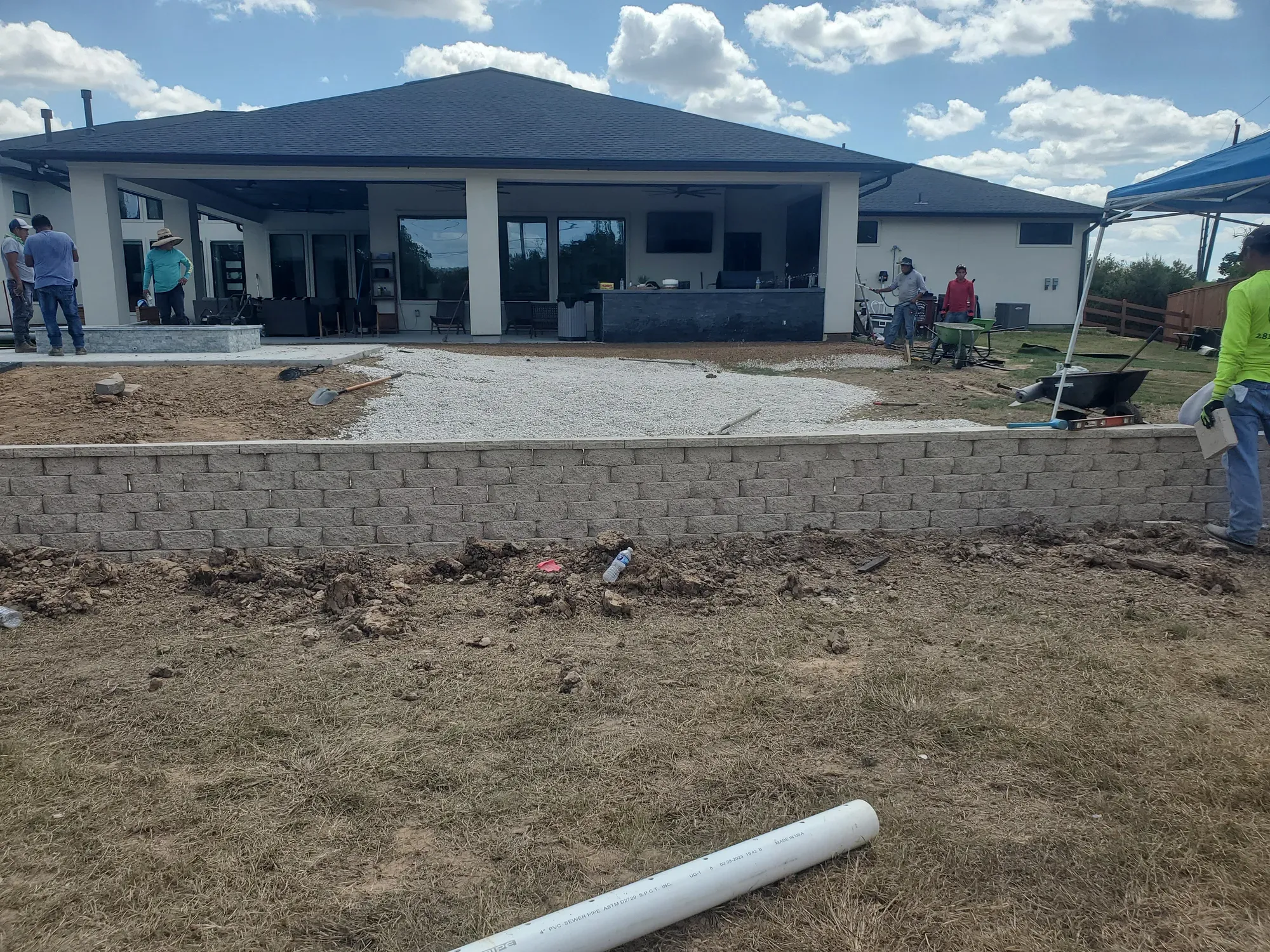
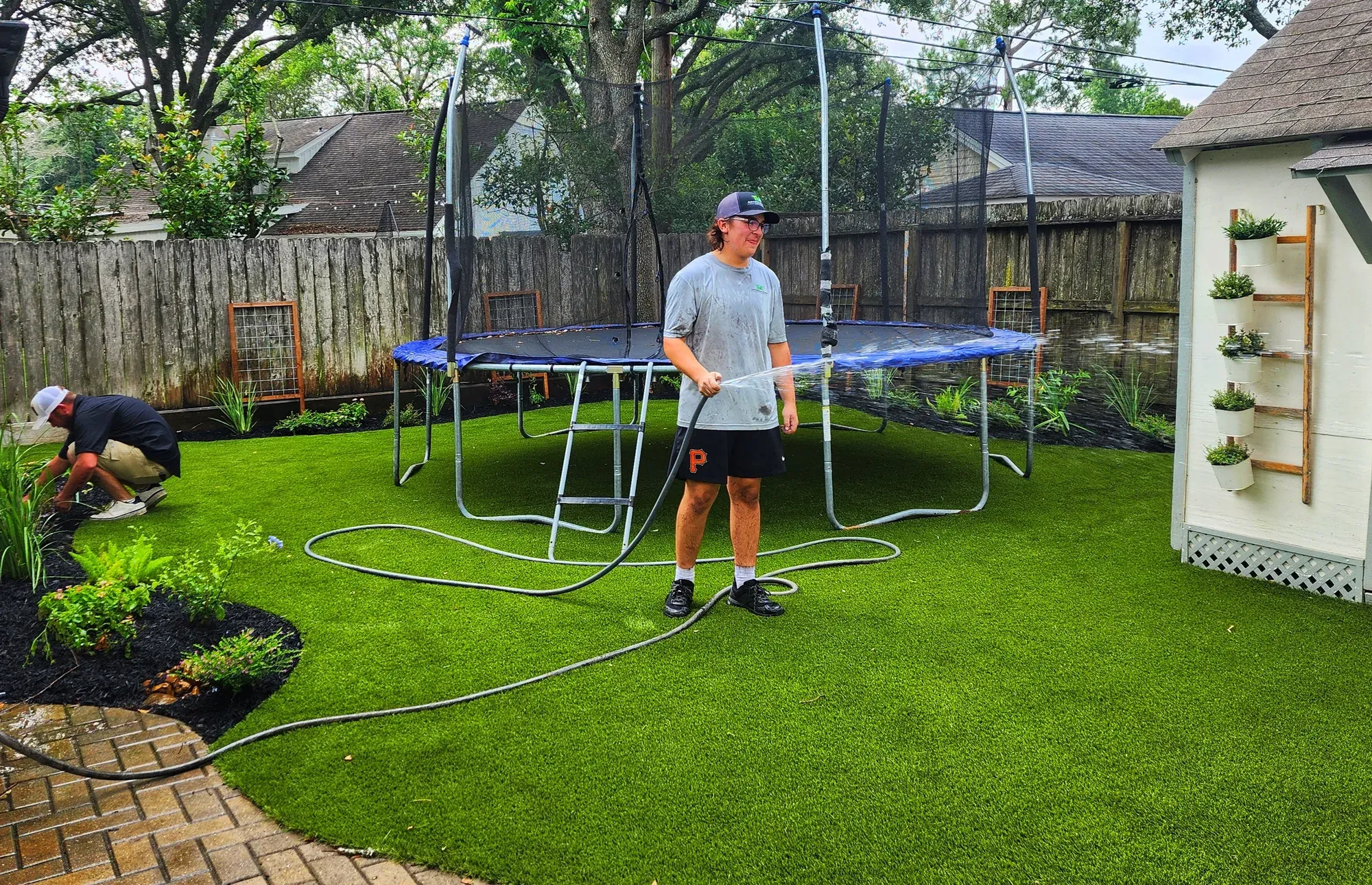
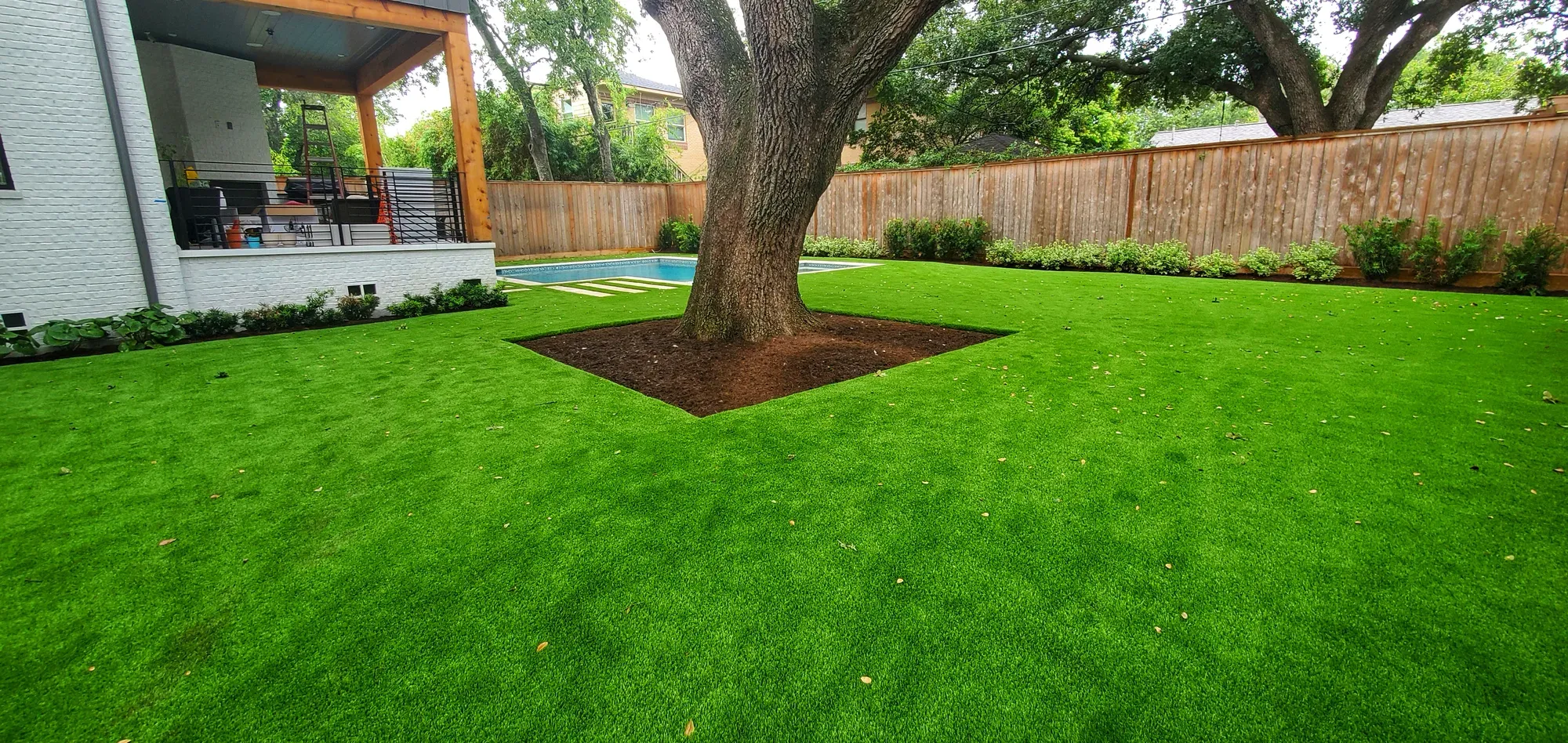
We strip the existing lawn and excavate down to a clean, stable sub-grade. Old roots, thatch, and loose topsoil all come out, because anything organic left behind will settle later and telegraph through the finished turf.
Flexible poly board is staked around the entire perimeter to lock the base in place. It holds your shape through curves and radii, keeps the aggregate from migrating into beds, and gives the turf a clean edge to be fastened to.
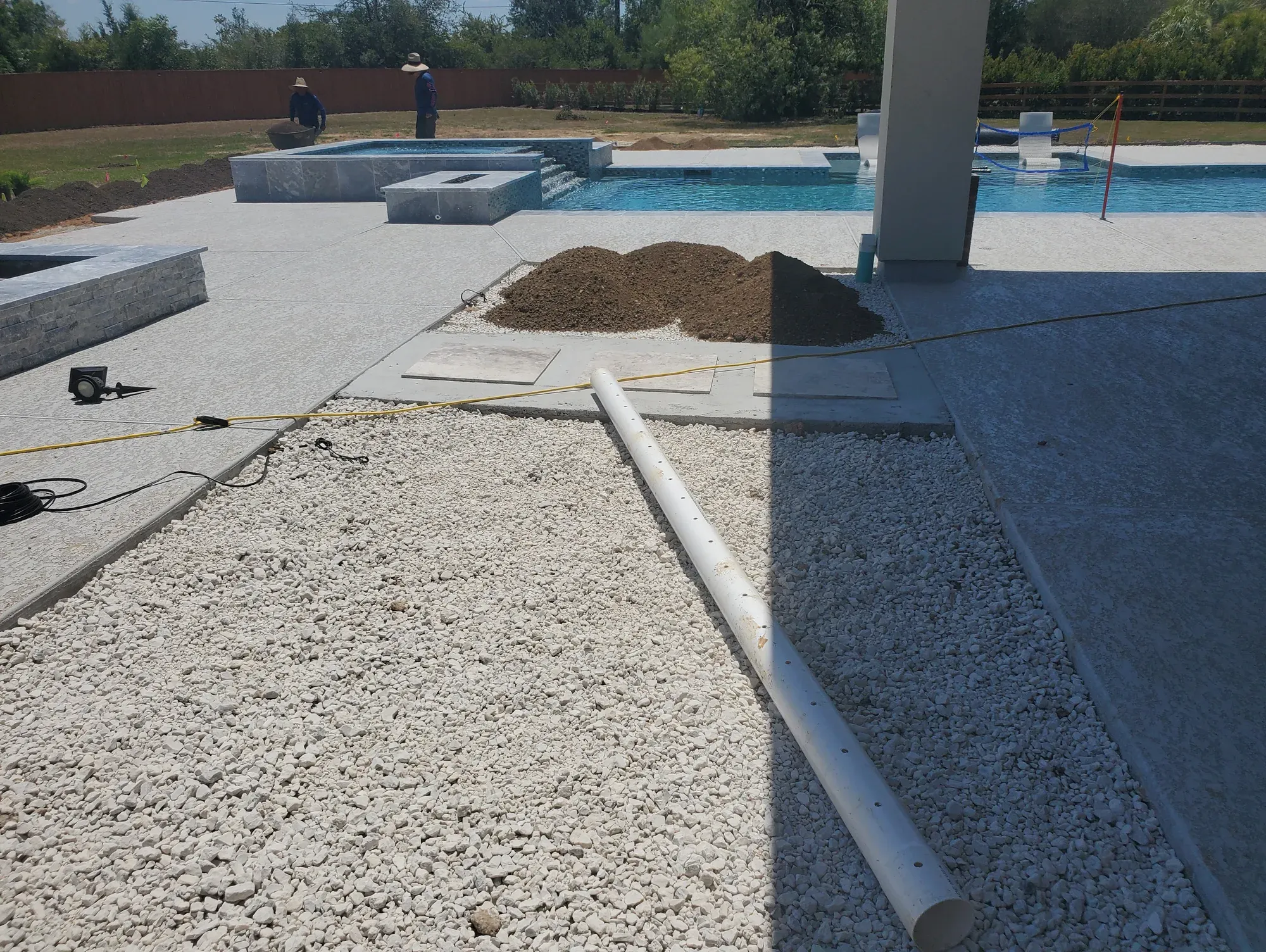
The first base layer goes down and is graded for drainage. This is the load-bearing course that carries foot traffic and keeps the surface from rutting, and it is where the finished contours of the yard are established.
A second, finer layer is screeded over the first to true the surface. Two layers instead of one is what separates a lawn that stays flat for years from one that dips and waves after the first wet season.
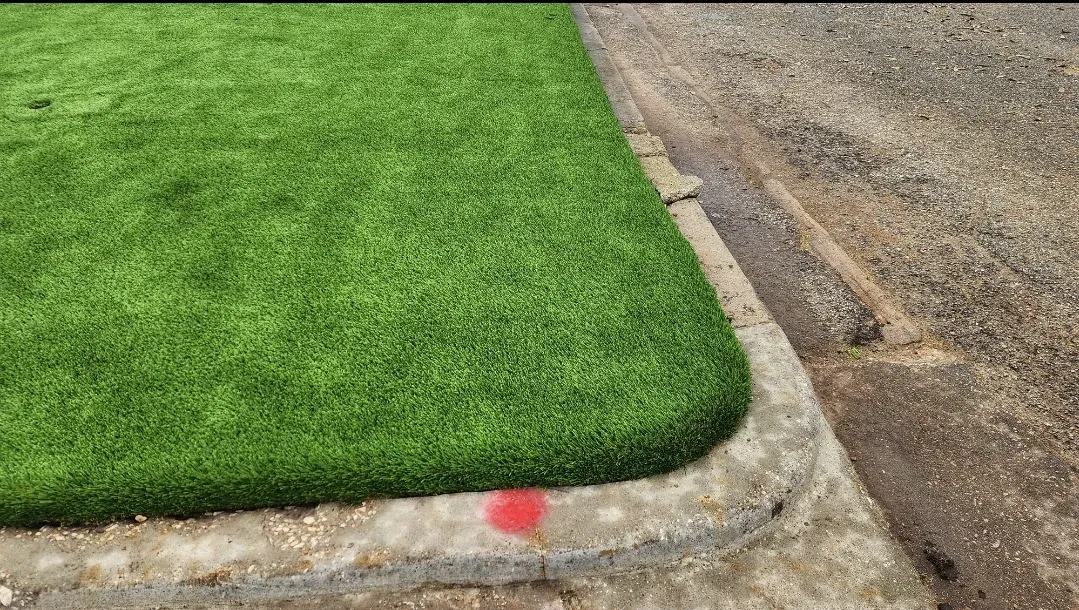
The base is plate-compacted to spec, then the turf is rolled out, allowed to relax, and cut to the yard. Seams are aligned to a single blade direction and joined so they disappear, and the turf is nailed off along every edge.
Silica infill is spread and worked in with a power broom, lifting every blade upright as it goes. Infill is what gives the lawn its ballast, its underfoot feel, and its ability to stand back up after traffic.
We do a final groom, clear the site, and walk the finished yard with you edge to edge. What you are left with is a lawn that looks cut every day of the year, with no mowing, watering, or seasonal brown-out.
TNT Turf is on a mission to transform Houston homes and businesses with premium synthetic turf, delivering lasting quality, honest service, and yards our customers are proud to look at everyday.
We started TNT Turf because Houston families deserve better than losing weekends to mowing and watering. Our mission is simple, give you a lawn you can enjoy every day, all year long, without the work that usually comes with it.
Every yard we install gets measured twice, leveled right, and finished like it’s our own backyard. If a job isn’t done the right way, it’s not a job we’re willing to put our name on, plain and simple.
By 2030, we want to help turn 10,000 Houston backyards into low-water, low-maintenance green spaces. It’s our way of making Houston greener and more sustainable, giving families more time to enjoy their yards instead of maintaining them.
From your first quote to the final walkthrough, we keep pricing fair, communication honest, and show up when we say we will. It’s our way of making sure every customer feels taken care of, not just sold to.
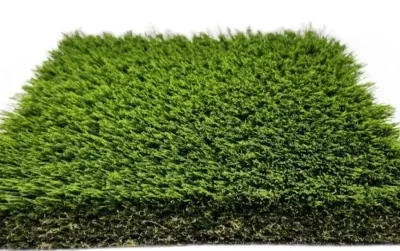
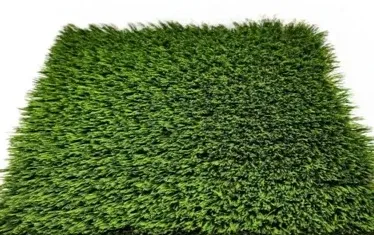
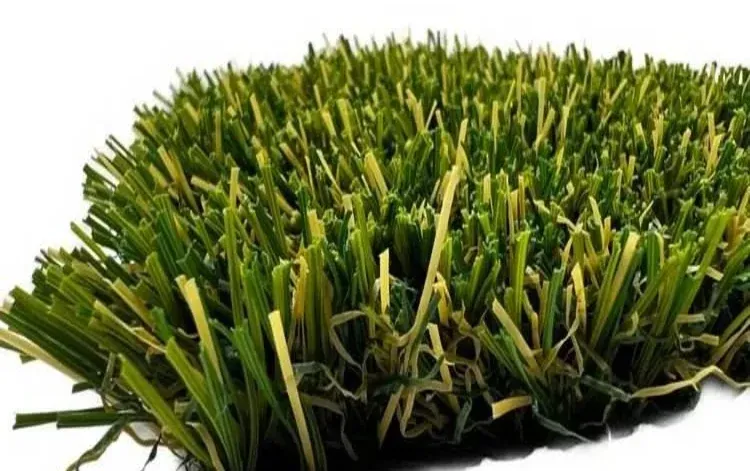
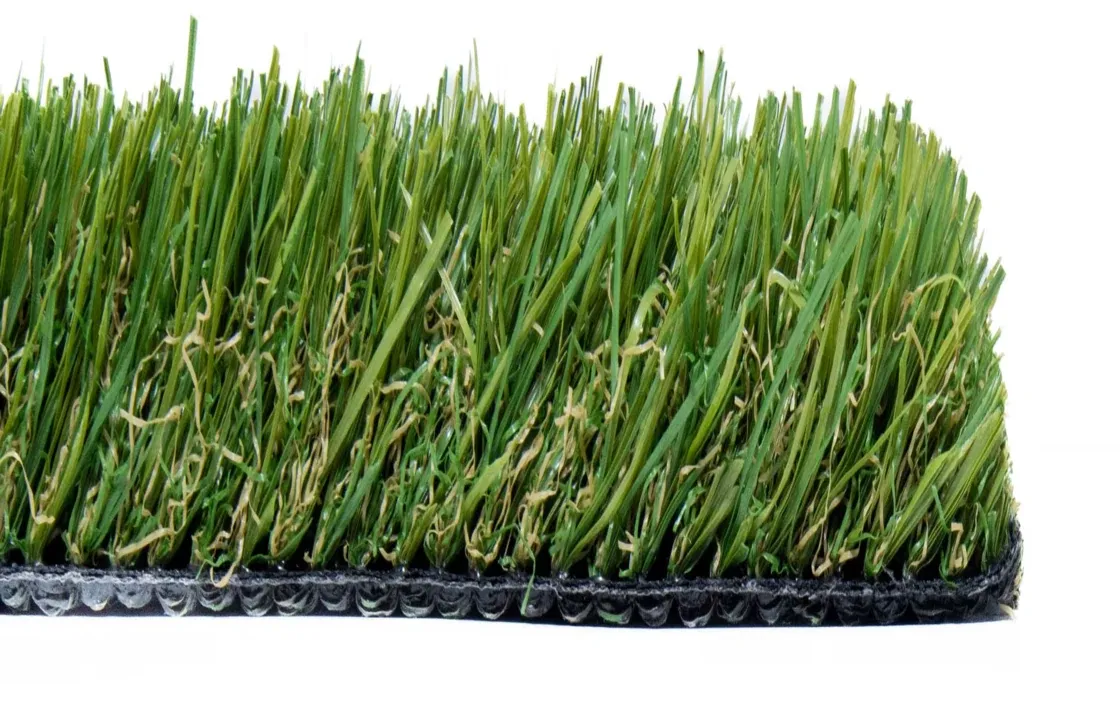
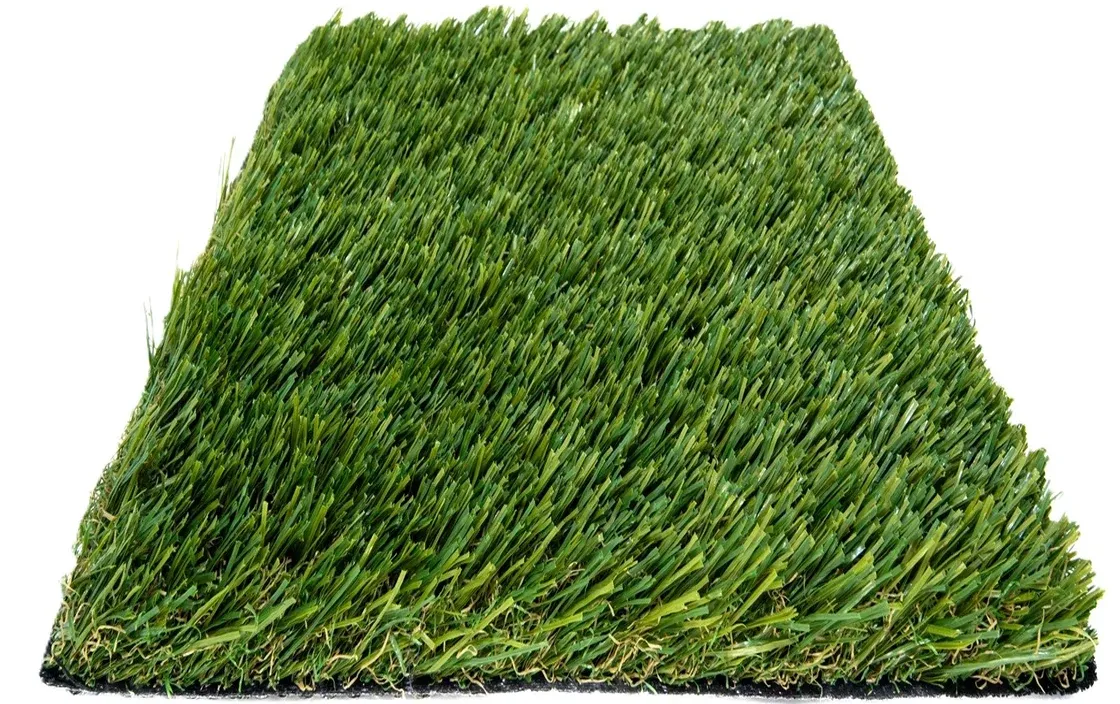
Explore a selection of our preferred artificial turf products, chosen for their appearance, durability, and performance across residential lawns, pet areas, playgrounds, and putting greens.
More than most rooms look like they have, and the only honest answer is the one you get from measuring. Ceiling height is set by your tallest player at the top of a driver backswing plus room for the ball to launch. Floor space is set by the swing arc, the room on both sides of the ball, and the sightlines your launch monitor needs. Those figures come from the manufacturer's spec for the exact system you are buying, so we measure your room against that spec instead of quoting a number at you.
Ceiling height is what kills most retrofits, and it is rarely the ceiling itself. A duct, a beam, a light fixture or a sprinkler head hanging low in the swing path can rule out a room that measures fine on paper. Check the spec for the exact simulator you are buying, then check the room against your tallest player. We come out, mark the swing envelope on the floor, and build the surface to fit the bay you actually have.
Get a Free On-Site QuoteFree
on-site bay measure and written quote
What we check in your bay
It is a firmer surface, and the build underneath it is what closes the gap. Grass gives way when the club digs, and a floor sitting on concrete cannot do that on its own. So the impact absorption has to be designed into the floor, through the pad or underlayment and through a hitting turf made to let the clubhead release through the strike instead of bouncing off it. Get that layer right and the bay plays much closer to turf underfoot. Get it wrong and every fat shot goes straight into the slab.
Impact absorption is a design goal we build toward, not a health claim, and the right pad and turf pairing depends on what your supplier offers. Adding a practice green, a mini golf course or an outdoor range tee line at the same time? Those live on our commercial golf and putting greens page.
It depends on how many hours you sell, and the wear is never even. A bay running paid sessions from open to close wears in one narrow band where the club meets the floor, while the walk-on turf a few feet away still looks new. We will not publish a year figure or a balls-struck rating we cannot stand behind. What we can do is build the floor so the part that wears out is the part you replace, instead of the whole room.
Nearly all of the damage happens in a strip about the width of a swing. The landing turf and the walk-on turf around it take far less punishment and age much slower.
Where the layout allows it we seam the hitting zone as its own panel, so a worn station can be cut out and re-topped without pulling up the rest of the bay floor.
A bay that sells hours all day needs a heavier hitting surface than a home game room. We spec the turf to the play volume you expect, backed by the manufacturer's warranty.
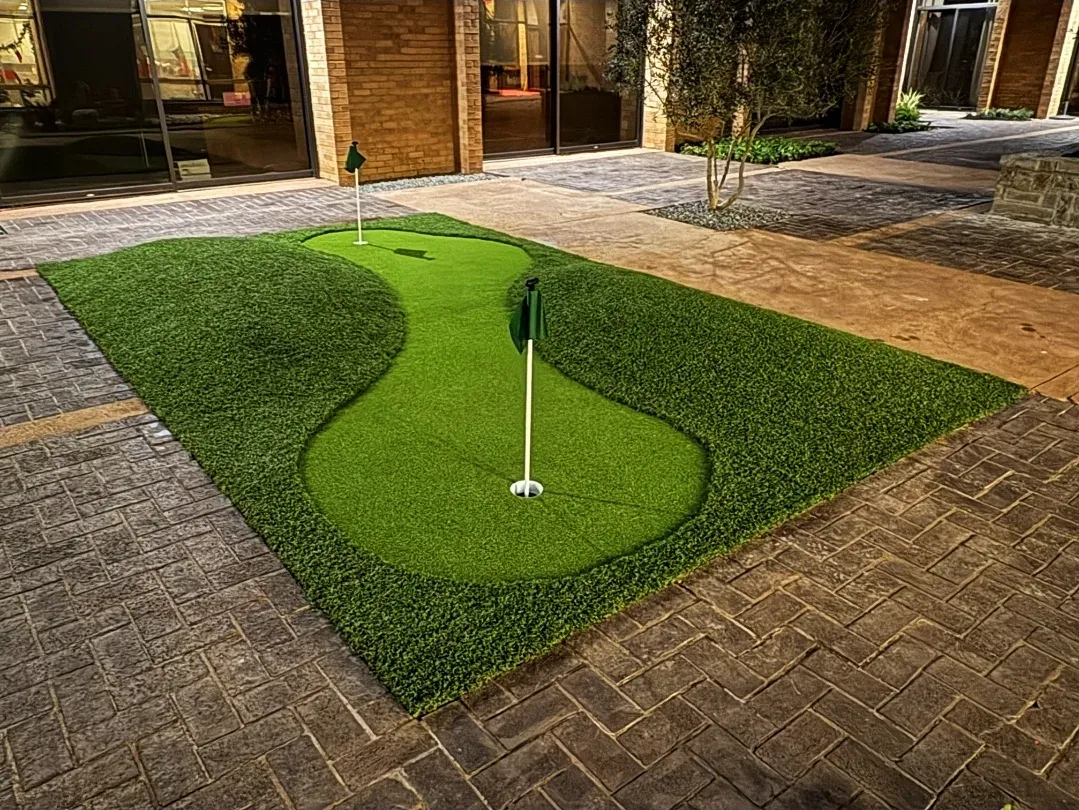
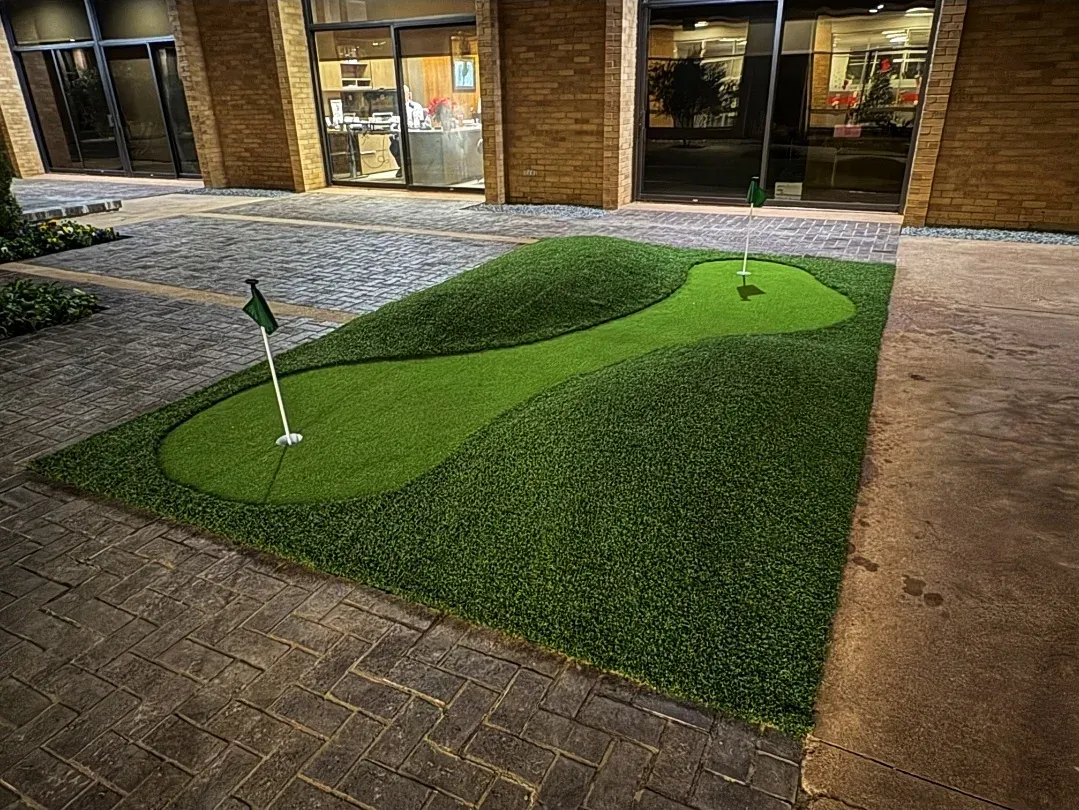
True-roll putting surfaces built as their own install, indoors or out, when the green is the point of the room.
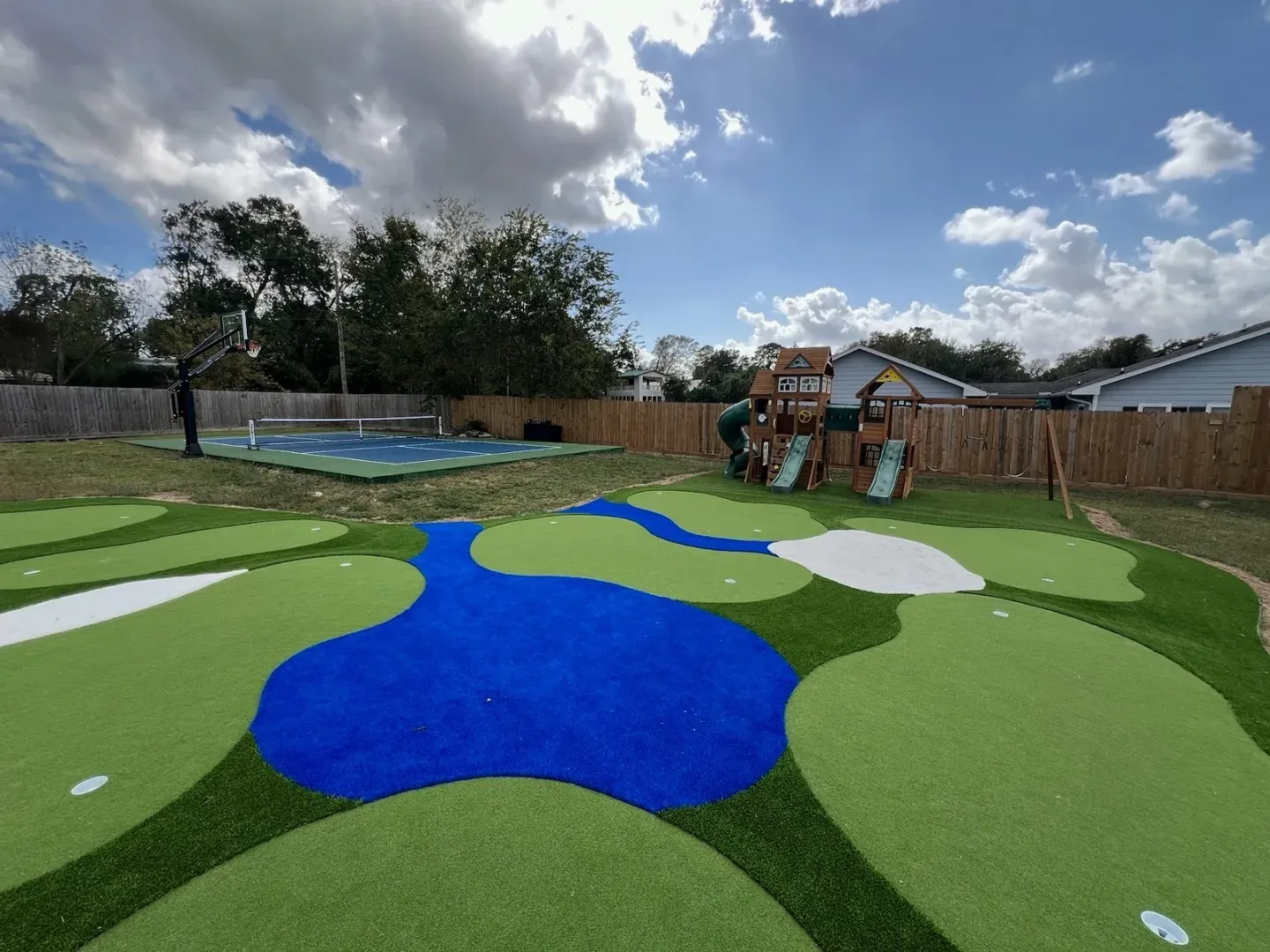
Nine and eighteen hole courses with turf cut and seamed around every rail, curve and obstacle.
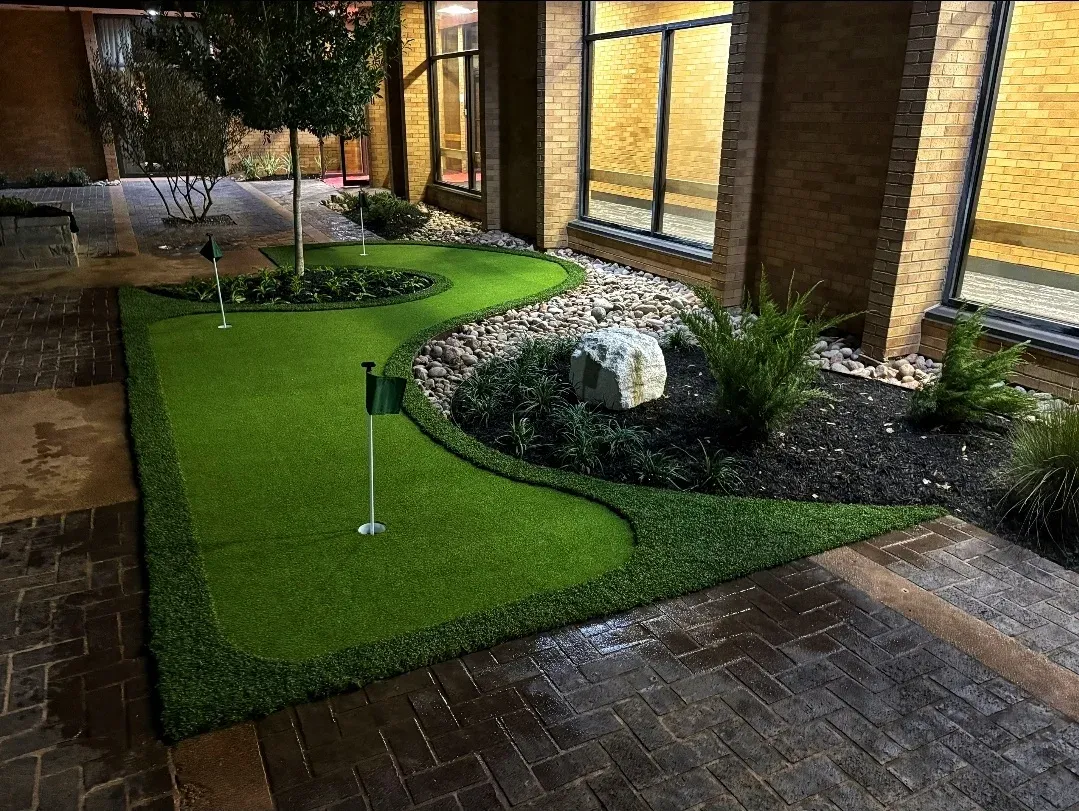
The full commercial golf category: practice greens, courses, simulator bays and range tee lines.
Most residential projects are complete in 2–4 days. Larger commercial installs typically take 1–2 weeks.
Every install carries the manufacturer's product warranty against fading and wear, plus our own workmanship coverage on seams, edging, and base. Full terms come with your proposal.
Yes. We install lead-free, non-toxic turf over a permeable base that drains quickly, and we can add an antimicrobial infill for pet areas to keep odours down.
A rinse now and then and an occasional cross-brush of the high-traffic paths. No mowing, no watering, no fertiliser, and no seasonal brown-out.
Turf runs warmer than a natural lawn in direct sun. We specify cooler yarn and lighter infill where a yard gets full afternoon exposure, and a quick rinse brings the surface temperature straight back down.
Pricing depends on square footage, the turf you choose, and how much prep the site needs. We measure on site and give you a fixed written quote before any work starts.